Choosing the right business data can make a major difference in the results of a sales or marketing campaign. Yet terms such as B2B lead lists, business email lists, business mailing lists, and contact lists are often used as though they all mean the same thing. They do not always serve the same purpose, and understanding the difference can help you choose the right data for the campaign you are planning.
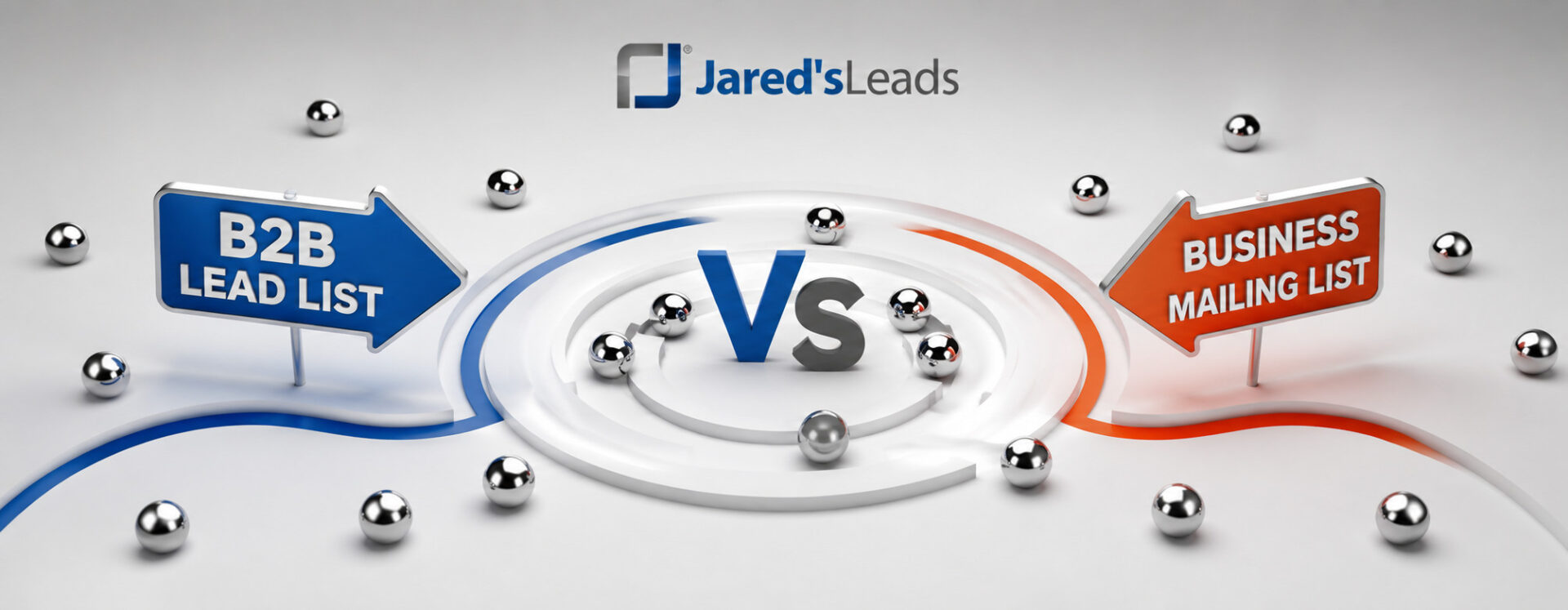
A B2B lead list is generally used to identify businesses and professionals who fit a specific sales or marketing audience. A business mailing list is primarily designed around postal addresses and is commonly used for direct mail campaigns. A business email list focuses on email contacts and can be used for digital outreach. The right choice depends on who you want to reach, what information you need, and how you plan to contact them.
This matters because a large database does not automatically mean you have the right audience. If your sales team is trying to reach financial executives at mid sized companies, for example, a general business database may contain thousands of records that are not relevant to the campaign. A targeted list can narrow the audience around factors such as industry, company size, revenue, geography, job title, and other available criteria.
Jared’s Leads builds targeted business and contact lists around campaign requirements and provides options for email, mailing, phone, B2B prospecting, and other outreach channels. The company also allows businesses to request a count before purchasing so they can understand the available audience before committing to a list.
What Is a B2B Lead List?
A B2B lead list is a collection of business prospects that can support sales prospecting, lead generation, email outreach, account based marketing, and other business development activities. Depending on the list, records may include companies, decision makers, executives, professionals, and other contacts who fit a defined target audience.
The main value of a B2B lead list is that it helps turn a broad business market into a more focused prospecting audience. Instead of asking your sales team to find potential customers one company at a time, you can define the characteristics of the companies and contacts you want to reach and build the list around those requirements.
For example, imagine that a software company sells accounting technology to manufacturers with between 100 and 500 employees. The company may want to reach CFOs, controllers, finance directors, and other senior finance professionals in selected states. A useful B2B list would therefore need to go beyond company names and include the business and contact information needed to identify the right prospects.
Jared’s Leads states that its B2B email lists can be targeted by industry, SIC or NAICS code, job title, geography, company size, revenue, and other criteria. The company also describes these lists as suitable for sales prospecting, email marketing, lead generation, and CRM enrichment.
That is why you should define your target audience before you start looking for a list. You need to know what makes a business a good prospect and which people inside those businesses you want your sales team to contact.
What Is a Business Mailing List?
A business mailing list is generally a structured collection of business postal addresses used for direct mail and other physical outreach campaigns. Depending on the list and the available data, records can also contain company names, contact names, job titles, industry information, phone numbers, email addresses, and other business details.
The biggest difference is the intended outreach channel. If you are sending postcards, letters, catalogs, brochures, invitations, sales packages, or other physical materials, postal information becomes one of the most important parts of your data.
A business mailing list can be targeted around industry, company size, role, geography, and campaign objectives. Jared’s Leads describes its business mailing lists as a way to reach companies, decision makers, and professionals and says that available fields can include business name, job title, professional role, industry classification, geographic information, firmographic information, and optional email or phone data.
For example, a commercial cleaning company may want to send a printed offer to property managers and business owners within a specific city. In that situation, accurate business addresses and appropriate geographic targeting may matter more than having a large number of email addresses.
B2B Lead Lists vs. Business Mailing Lists
The simplest way to understand the difference is to look at the purpose of the data and the way you plan to use it. A B2B lead list is generally focused on helping you identify potential sales opportunities, while a business mailing list is more closely associated with reaching a defined business audience through physical mail.
The two can contain overlapping information. A business record may include a company name, contact name, address, phone number, email address, industry, and other details, regardless of the list type. What changes is the campaign objective and the fields that are most important to you.
A salesperson running an outbound email campaign may care most about the contact’s name, business email, company, job title, industry, company size, and location. A company preparing a direct mail campaign may care more about the company name, physical address, location, industry, and the person responsible for receiving the marketing material.
This is why choosing between a B2B lead list and a business mailing list should not be based simply on the name of the product. Start with the campaign, determine who you need to reach, and then identify which data fields are required to execute the campaign properly.
Jared’s Leads organizes its list options around different campaign uses, including email lists, mailing lists, phone lists, business lists, consumer lists, specialty lists, and leads. Its general list guide also explains that businesses can choose a list based on their audience, outreach channel, and campaign goals.
Which Business List Is Right for Your Campaign?

Choosing between a B2B lead list and a business mailing list starts with understanding how you plan to reach your audience. If your primary objective is finding potential business customers or specific professionals inside those businesses, a B2B lead list can be a strong choice. This can include outbound sales, email prospecting, account based marketing, partnership outreach, recruiting, business development, and other campaigns where identifying the right person is important.
Suppose you sell cybersecurity services to healthcare companies. You probably do not want every healthcare business in your market. You may want companies above a certain employee count, located in specific states, with a particular revenue range, and with decision makers such as IT directors, CIOs, or security leaders. The more specific your sales opportunity is, the more important targeting becomes. A B2B list can help you organize the audience around the characteristics that matter to your business.
Jared’s Leads provides B2B email lists that can be matched to an ideal customer profile and targeted using available business and contact criteria. Businesses can request a custom B2B email list and review the available audience before purchasing.
If physical mail is an important part of your campaign, a business mailing list may be the better choice. This could include sales letters, postcards, brochures, catalogs, event invitations, promotional packages, and other direct mail campaigns. Geographic targeting can be especially useful when you want to reach businesses within a particular ZIP code, city, county, state, or radius. You can also combine geography with industry, company size, job role, and other available criteria.
For example, a commercial insurance company could target businesses in a specific region and focus its direct mail campaign on companies in selected industries. A software company could send an information package to selected businesses before following up through email or phone. Jared’s Leads provides business mailing lists that can be targeted by industry, company size, role, geography, and campaign objectives. Its mailing list service also supports business, industry, executive, location based, and specialty mailing list options.
Can a B2B Lead List and Mailing List Be Used Together?
Yes, and for some campaigns using both can make sense. The important thing is to make sure the audience criteria remain consistent across the different channels.
Imagine a company wants to reach independent dental practices in three states. The business could use B2B contact information to identify practice owners and decision makers for email and phone outreach. It could also use business mailing data to send printed information to the selected practices.
This creates a multichannel approach in which the same type of prospect can be reached through different methods. Email can introduce the company, phone outreach can create a direct conversation, and direct mail can provide another physical touchpoint.
The key is not to use multiple list types simply because they are available. Each channel should have a purpose, and the audience should remain connected to the same ideal customer profile.
Jared’s Leads provides email, mailing, phone, business, and other list options, making it possible to build campaigns around one defined audience while using more than one outreach channel where appropriate.
What Should a B2B Lead List Include?
The fields you need will depend on your industry, campaign, and ideal customer profile. Common B2B information can include company name, contact name, job title, business email, phone number, industry classification, company size, revenue, location, SIC code, NAICS code, and other available firmographic information.
You do not necessarily need every field for every campaign. A local service company may care most about geography and business type. An enterprise software company may need employee count, revenue, industry, department, seniority, and other information to identify accounts that fit its sales strategy.
The important thing is to define the fields before ordering the list. If your sales team needs a particular decision maker, make sure the targeting criteria reflect that requirement instead of purchasing a broad business list and hoping the right people are included.
Jared’s Leads specifically lists targeting options such as industry, SIC or NAICS, job title, geography, company size, and revenue for its B2B email lists.
What Should a Business Mailing List Include?
For a business mailing campaign, the physical address is central to the list. Other useful information can include company name, contact name, professional role, industry, geographic information, company size, and optional email or phone fields where available.
Postal accuracy is especially important because an incorrect address can prevent your marketing material from reaching the intended business. Jared’s Leads says its mailing data can go through processes such as address standardization, NCOA processing, CASS certification, deduplication, and other data hygiene procedures depending on the campaign and data type.
You should also consider how the list will be used after delivery. If your team plans to combine direct mail with email or phone outreach, having additional contact fields can make the campaign easier to coordinate.
Why Data Quality Matters
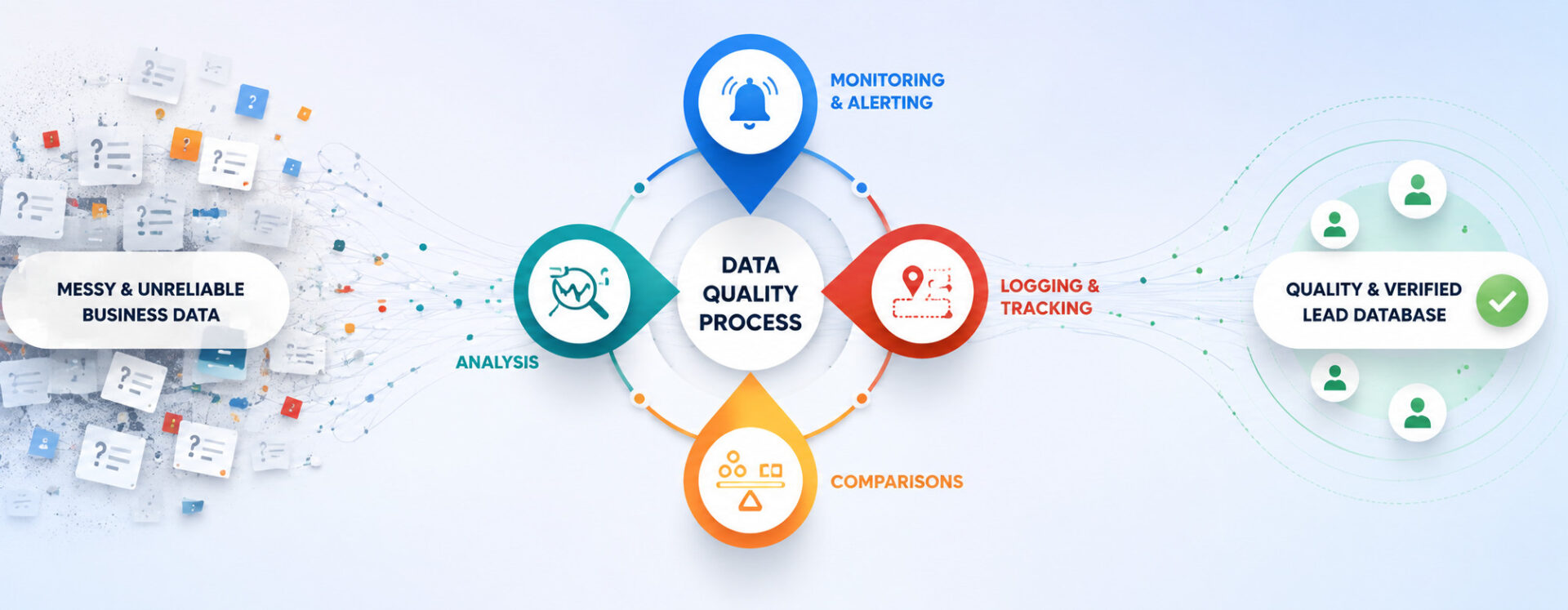
It is easy to focus on the number of records when comparing list providers. However, record count alone does not tell you whether the list will support your campaign.
A list can contain thousands of records but still perform poorly if the audience is not relevant, contacts have changed jobs, companies have closed, addresses are outdated, or duplicate records take up part of the file.
Data quality includes accuracy, freshness, relevance, completeness, and appropriate preparation for the intended campaign. These factors matter whether you are buying a B2B email list or a business mailing list.
Jared’s Leads describes its approach as focused on targeted data rather than simply providing a large generic file. Its general list service allows businesses to define their audience, request a count, review targeting options, and receive campaign ready data.
How Your Ideal Customer Profile Affects the List
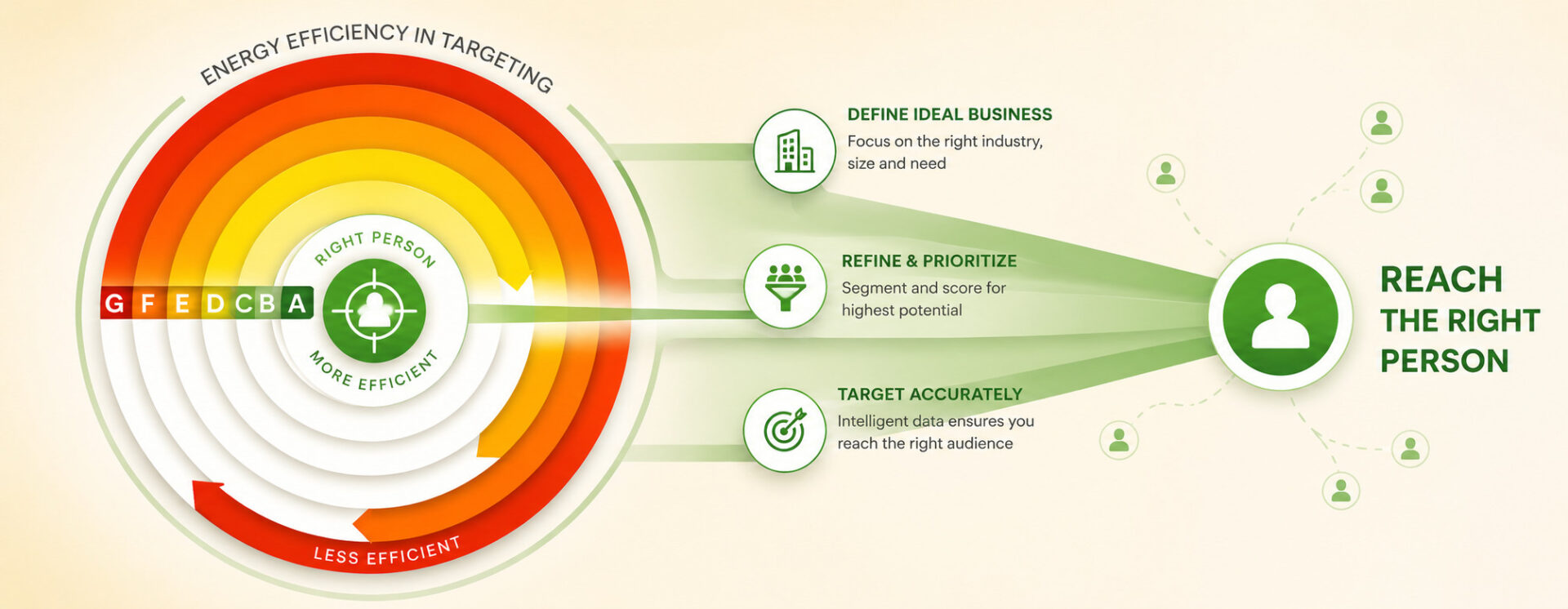
Your ideal customer profile should be the starting point for choosing the list. Before requesting data, define the type of business you want to reach and the people you want to reach inside those businesses.
For the company itself, consider industry, geography, company size, revenue, business type, and other factors that distinguish your best customers from the broader market. For the contact, consider job title, department, seniority, and professional role.
Your outreach channel should then determine which additional fields matter. If you are sending email, business email information is important. If you are sending direct mail, postal address information is essential. If your team plans to call prospects, phone information becomes a key requirement.
Jared’s Leads‘ B2B list service is designed around this type of audience definition, allowing businesses to request lists based on specific industry, geography, job title, company size, revenue, and other criteria.
How Jared’s Leads Helps You Choose the Right List

Choosing between a B2B lead list and a business mailing list does not have to start with guessing which product you need. Jared’s Leads helps businesses define their audience first and then identify the list type and targeting criteria that fit the campaign. The company’s broader list service covers email, mailing, phone, business, consumer, specialty, and lead options, allowing the campaign to be built around the intended audience and outreach channel.
For businesses focused on B2B prospecting and email outreach, the B2B email lists offered by Jared’s Leads can be targeted by industry, SIC or NAICS code, job title, geography, company size, revenue, and other available criteria. The company says the data can be matched to your ideal customer profile and used for sales prospecting, email marketing, lead generation, and CRM enrichment.
If your campaign depends on physical outreach, business mailing lists can be built around business type, industry, company size, role, geography, and campaign objectives. Jared’s Leads also provides options for industry, executive, location based, and specialty mailing audiences.
The process starts with understanding who you want to reach. Jared’s Leads can then help determine the available audience and provide a count before you purchase. The broader list service explains that businesses can define their audience, request a count, choose targeting options, and receive campaign ready data.
This approach is useful when you are comparing list options because you can evaluate the available audience before committing to a specific campaign. Instead of buying a generic file and trying to make it fit your strategy, you can start with the audience and work backward to the data you actually need.
What to Ask Before Buying a Business List
Before purchasing a B2B lead list or business mailing list, ask the provider how the data is sourced, how it is maintained, which fields are available, and what targeting options can be applied. You should also ask whether you can receive a sample or audience count before making the purchase.
It is worth asking how duplicate records are handled, how outdated information is identified, and what data hygiene processes are used. For a mailing campaign, ask about address preparation and postal data. For email campaigns, ask about the source and status of the email data and make sure your planned outreach follows applicable requirements.
You should also ask what happens if your ideal customer profile is very specific. A good list provider should be able to tell you whether the requested audience is available and how many records may match the criteria.
Jared’s Leads allows businesses to request a custom list count and review targeting options before purchasing. Its list service also provides a campaign focused approach rather than requiring every business to purchase the same type of data.
B2B Lead Lists vs. Business Mailing Lists: Which Is Right for You?
If your primary goal is to identify companies and decision makers for sales prospecting or B2B email outreach, a targeted B2B lead or business email list is likely to be the more relevant option. The focus should be on finding the right companies and contacts and applying the filters that match your ideal customer profile.
If your primary goal is to send physical marketing materials, a business mailing list is likely to be the better fit. The focus then shifts toward accurate business addresses, geographic targeting, industry, role, company information, and other criteria that support the direct mail campaign.
If you plan to use email, phone, and direct mail together, you may benefit from combining list types while keeping the same audience definition across each channel. This can create a more coordinated campaign without forcing every channel to use exactly the same data fields.
The important thing is to start with the campaign objective. Once you know who you want to reach, where they are located, what type of business they operate, which people you want to contact, and how you plan to reach them, the choice becomes much easier.
Frequently Asked Questions
Q.1. What is the difference between a B2B lead list and a business mailing list?
A B2B lead list is generally focused on identifying business prospects and the professionals or decision makers within those companies. A business mailing list is primarily structured around postal addresses and is commonly used for direct mail campaigns. The two may contain some of the same business information, but the fields and intended use can differ.
Q.2. Is a B2B email list the same as a business email list?
The terms are often used interchangeably, particularly when the list is designed for business to business outreach. However, what matters most is how the list is targeted. A useful B2B email list should allow you to identify the companies and contacts that match your ideal customer profile rather than simply providing a large collection of business email addresses.
Q.3. Should I buy a B2B lead list or a business mailing list?
Choose based on how you plan to reach your audience. A B2B lead or business email list is generally more suitable for prospecting and email outreach, while a business mailing list is more appropriate when physical mail is central to the campaign. If you use several channels, you may be able to combine list types around the same target audience.
Q.4. What targeting options should I look for in a B2B list?
Useful targeting options can include industry, SIC or NAICS classification, company size, revenue, geography, job title, and other available business or contact characteristics. The right filters depend on your ideal customer profile and the type of customer your sales team is trying to reach.
Q.5. Can Jared’s Leads create a custom B2B email list?
Yes. Jared’s Leads offers custom B2B email lists that can be targeted around factors such as industry, SIC or NAICS code, job title, geography, company size, revenue, and other available criteria. The company also allows businesses to request a custom list and review an estimated audience count before purchasing.
Q.6. Can Jared’s Leads provide business mailing lists?
Yes. Jared’s Leads provides targeted business mailing lists for direct mail and multichannel campaigns. Available targeting can include industry, company size, professional role, geography, and campaign objectives, with additional fields available depending on the audience and data source.
Final Takeaway
B2B lead lists and business mailing lists can both help you reach business audiences, but they serve different campaign needs. A B2B lead list is generally focused on finding the right businesses and professionals for sales and marketing outreach, while a business mailing list is primarily designed to help you reach businesses through physical mail.
The best choice starts with your ideal customer profile. Define the industries, locations, company characteristics, job roles, and other criteria that matter to your campaign before deciding which list to purchase. Once those requirements are clear, you can select the data fields and outreach channel that make the most sense.
If your goal is B2B email prospecting, explore Jared’s Leads’ B2B email lists and see what audience options are available for your campaign. If your campaign is centered on direct mail, explore the business mailing list options and review the available geographic and business targeting criteria. Jared’s Leads can also help you compare the available audience and request a custom count before you purchase.
If you are still unsure which type of list fits your campaign, contact Jared’s Leads and explain who you want to reach, where they are located, and how you plan to contact them. The team can help you identify the appropriate list type and targeting options based on your campaign requirements.