

Introduction: A Good Lead List Is Not Automatically Campaign-Ready
Getting a targeted lead list is an important step in building a marketing campaign, but having the right audience does not automatically mean the list is ready to use. Before sending emails, placing sales calls, or mailing promotional materials, a business needs to consider where the data came from, how it will be used, which exclusions apply, and what rules govern the chosen channel. Skipping these checks can create avoidable legal, operational, and reputational problems.
This matters whether a company is launching its first outbound campaign or managing thousands of contacts across several marketing channels. A list may contain accurate names, email addresses, phone numbers, and mailing addresses while still containing records that should not be contacted for a particular purpose. Someone may have opted out, a phone number may be subject to Do Not Call restrictions, or the proposed outreach may require a form of consent that the business cannot document.
Campaign preparation should therefore go beyond checking whether the data looks complete. Businesses need a repeatable process that connects audience selection, contact verification, suppression, consent records, and the intended marketing activity. Jared’s Leads brings several of these data-preparation functions together through its Marketing Data Solutions, which include data hygiene, verification, suppression-related services, and campaign support. The objective is to help businesses start with better-prepared information, while recognizing that compliance ultimately depends on the campaign and how the data is used.
What Lead List Compliance Means before a Campaign Launch
Lead list compliance means checking whether a set of contact records can appropriately be used for the intended marketing activity. It involves more than asking whether the names and contact details are correct. Businesses must also consider the source of the information, the audience being contacted, the type of message or call, applicable opt-outs, consent requirements, and the rules that govern the channel.
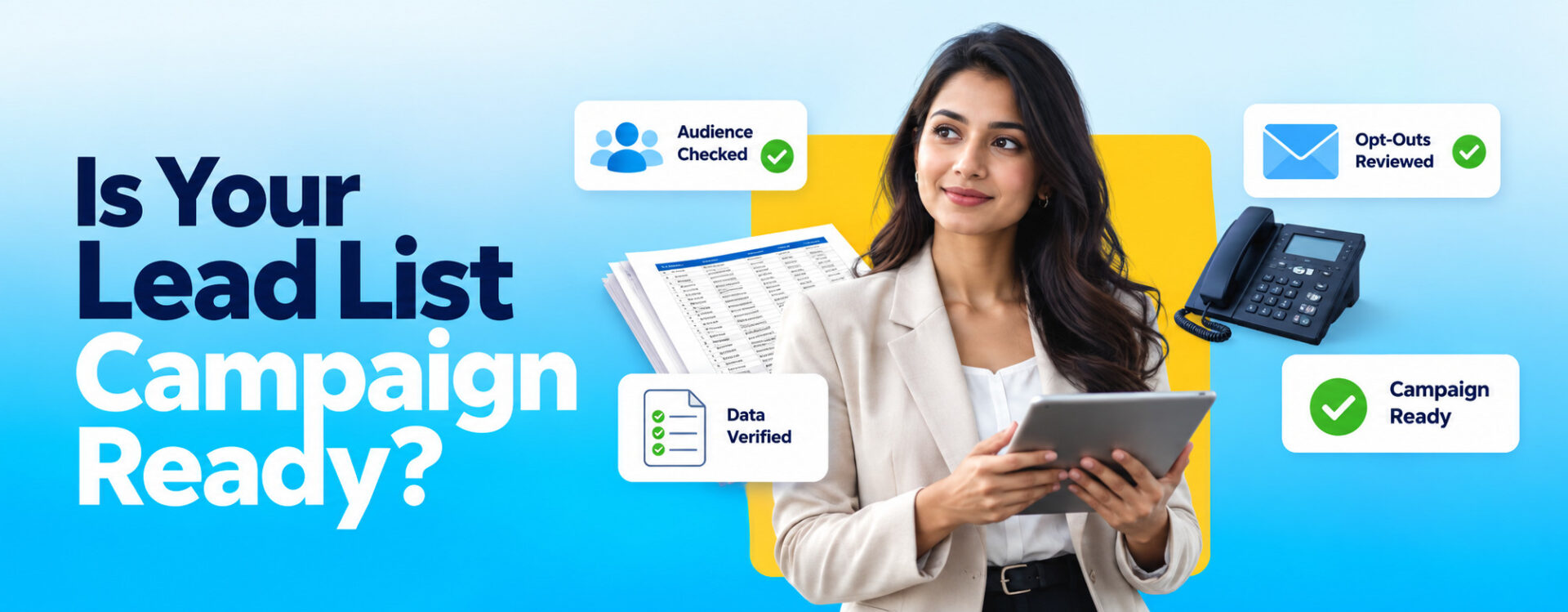
The requirements are not identical across email, telephone, text messaging, and direct mail. Commercial email in the United States is governed in part by the CAN-SPAM Act. Covered telemarketing calls can be subject to the FTC’s Telemarketing Sales Rule and applicable Do Not Call requirements, while certain calls and texts are also subject to separate Federal Communications Commission rules. Direct mail presents a different set of considerations involving address accuracy, customer preferences, privacy, advertising claims, and any applicable industry or state requirements.
This distinction matters because businesses sometimes assume that purchasing a list from a reputable provider settles every compliance question. It does not. A data provider may verify fields, remove duplicates, or perform specified suppression services, but the business launching the campaign still needs to confirm that the list is appropriate for the intended purpose and that the campaign follows the applicable requirements.
The best starting point is to define the campaign before selecting or preparing the records. Identify who will be contacted, what will be communicated, which channels will be used, and what action you want the recipient to take. Jared’s Leads offers targeted contact lists and data services that can support different audiences and outreach objectives, but the campaign owner should establish the required checks before activating the data.
Check the Data Source, Audience, and Permission Records
Before launching a campaign, establish where the contact information came from and what documentation is available. Depending on the source, the file may have been compiled from business information, licensed data, customer interactions, inquiries, or other sources. Understanding that background helps the campaign team assess what the records can reasonably support and what additional checks are needed.

Do not treat every field in a lead record as proof of permission to contact someone. A valid email address does not establish that the recipient requested your marketing messages. A phone number in a database does not establish that a person agreed to receive automated calls or texts. Similarly, a mailing address that has been verified does not mean the recipient has no objection to receiving promotional mail.
Where consent is required, the business should retain sufficient evidence to demonstrate what the person agreed to, when the permission was collected, how it was obtained, and which organization and communication channels it covered. The scope matters. Permission given to one business should not automatically be assumed to authorize unrelated companies, new purposes, or every type of communication.
The same discipline applies when importing purchased data into a CRM. Record the source, date of import, relevant restrictions, and any preparation or suppression performed. Keep that information connected to the file so that it does not disappear when records are shared between marketing, sales, and operations.
Companies purchasing data should make these requirements part of the ordering process. Jared’s Leads provides business and consumer data solutions for different campaign objectives, allowing businesses to define their audiences and discuss preparation needs before the records are used. A clear brief makes it easier to identify missing documentation or additional checks before a campaign begins.
What to Check before Sending Marketing Emails
Commercial email is often the easiest channel to launch quickly, which makes it particularly important to establish a reliable review process. In the United States, the CAN-SPAM Act applies to commercial email, including business-to-business messages. Businesses should not assume that a message is exempt simply because it is short, personalised, or sent to a professional rather than a consumer.

The Federal Trade Commission’s CAN-SPAM compliance guide explains the main requirements. Commercial emails must use accurate sender and routing information, avoid deceptive subject lines, identify the message as an advertisement where required, include a valid physical postal address, and provide a clear way to opt out of future marketing emails. An opt-out request must be honoured within the timeframe specified by the law, which is generally ten business days.
Businesses should review these requirements before a campaign is uploaded to an email platform. Check that the sender name and domain accurately represent the business, the subject line reflects the message, the mailing address is present, and the unsubscribe mechanism works. Test the process rather than assuming it functions correctly because it was set up in a previous campaign. A working unsubscribe link is of little use if the resulting request never reaches the system that controls future sends.
Next, compare the planned send against existing suppression records. These may include people who have unsubscribed, contacts who have requested no further marketing, invalid addresses, and records excluded under the company’s internal policies. Suppression should happen before the final campaign file is exported, not after the messages have been sent.
The source and suitability of the email data also deserve attention. Jared’s Leads’ email lists are designed around targeted audience selection and data-preparation considerations such as verification, suppression, deduplication, and address checks. These services can support preparation, but businesses should still confirm that their own campaign practices, message content, and opt-out processes meet applicable requirements.
One final point is especially important: hiring an outside email platform or marketing agency does not automatically remove the business’s responsibility. The FTC makes clear that both the company promoting its products and the company sending messages on its behalf may face responsibility for violations. Any provider relationship should therefore include clear instructions, documented responsibilities, and a way to verify that suppression and opt-out processes are being followed.
DNC Scrubbing and the Rules for Outbound Calling
Phone campaigns need a separate compliance review because a telephone number can be technically valid while being ineligible for a particular marketing call. Before launching consumer telemarketing, businesses should determine which federal, state, and campaign-specific requirements apply, and ensure that the calling file has been screened accordingly.
The FTC’s Telemarketing Sales Rule guidance explains the National Do Not Call Registry requirements for covered calls. Subject to applicable exceptions, businesses and telemarketers must screen against the Registry using a version no more than 31 days old and must also respect requests made directly to the company not to receive further calls. The details can depend on the seller, the type of call, the relationship with the consumer, and the applicable regulatory rules.

That makes it important to distinguish national screening from a company’s own suppression list. A customer might ask a specific company not to call again even if the number is not on the National Registry. That request should be captured and applied to future relevant calls. A purchased list does not override an individual’s request to stop receiving sales calls.
Businesses should also investigate whether state-level rules impose additional requirements. Calling hours, registration or licensing obligations, state Do Not Call provisions, and other telemarketing restrictions may vary by jurisdiction. A campaign targeting several states therefore needs more than a single generic screening assumption.
The operational process should record when screening occurred, which list version or service was used, which records were removed, and who approved the final calling file. If the file is refreshed or supplemented later, the added records need the appropriate review too. Screening a list once does not necessarily protect every future campaign, especially when new records are appended or a significant amount of time has passed.
Jared’s Leads offers phone lists for targeted business and consumer outreach, with DNC scrubbing and related preparation options where applicable. Its telemarketing list services also describe support for DNC and litigator scrubbing. These are useful preparation steps, but they should not be mistaken for a guarantee that every possible legal obligation has been satisfied. The business launching the campaign should confirm that the checks match the planned audience, technology, geography, and calling purpose.
Text Messages, Automated Calls, and Channel-Specific Consent
A campaign plan that includes text messages, prerecorded calls, or certain automated calling technologies needs additional review. These activities may be subject to requirements that differ from those governing ordinary live calls or standard commercial email. In particular, applicable TCPA and FCC rules can impose consent requirements on specified calls and texts, depending on the technology used, the number being contacted, the message’s purpose, and other details.
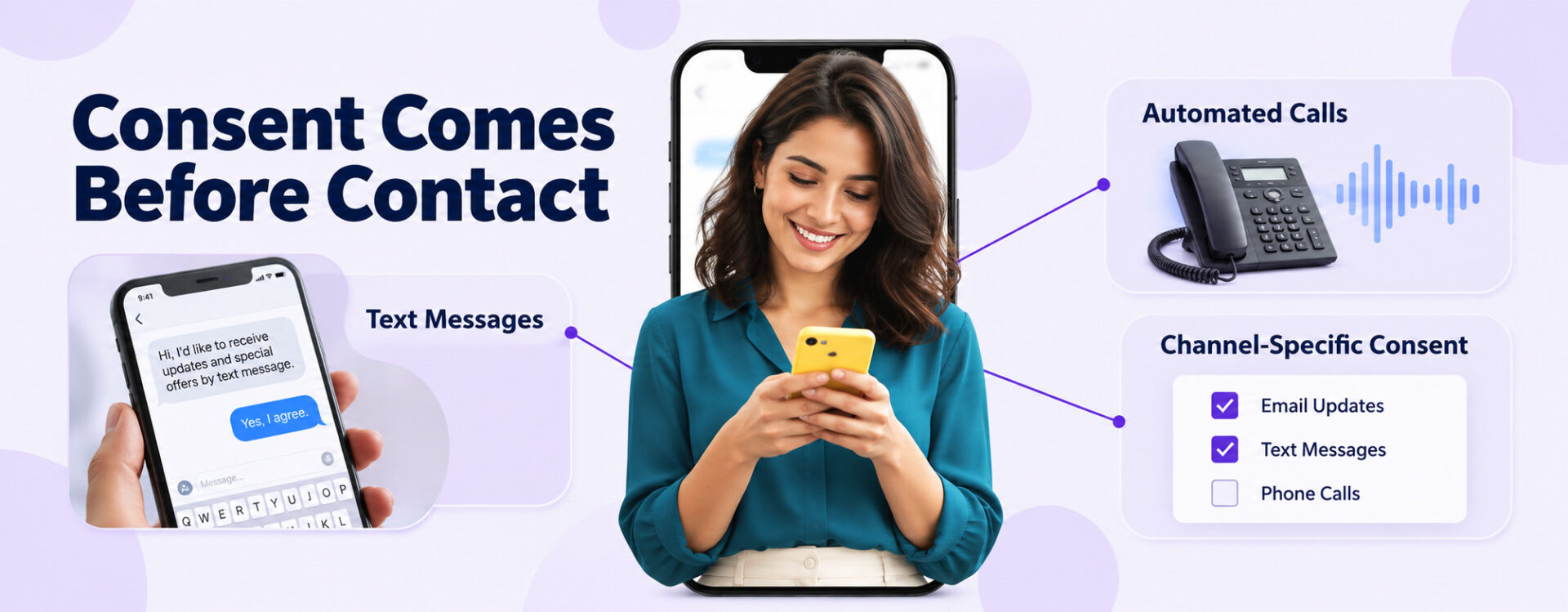
This is why businesses should not use one general permission field as authorization for every possible communication channel. A person who agreed to receive one type of message may not necessarily have provided the permission required for a different type of outreach. The business must understand what the recipient actually agreed to and whether that permission covers the planned communication.
Before sending texts or using automated calling tools, review the consent language, identify the organization or organizations covered, confirm the purpose and channels included, and preserve the evidence. Where the rules require written consent or particular disclosures, the records should demonstrate that those requirements were met. A statement that someone “is a lead” is not sufficient documentation on its own.
Apply opt-outs promptly and make sure they flow across the systems used to run the campaign. If a person asks not to receive texts, that preference should reach the platform or team that sends them. Depending on the request and applicable law, other communication preferences may also need to be updated. Do not assume a suppression change in one tool automatically updates every other platform connected to the same contact.
Because automation and texting rules can depend on technical details, businesses should have qualified counsel review higher-risk campaigns, including campaigns using prerecorded or artificial-voice technology or automated messaging. Jared’s Leads can help prepare targeted phone data through its telemarketing lists, but the campaign owner still needs to verify that the intended contact method is legally appropriate and supported by the necessary permission records.
Direct Mail, Address Quality, and Suppression Lists
Direct mail has a different preparation process from email and phone outreach, but it still requires careful attention. A postal address may be formatted correctly and still be outdated, duplicated, outside the campaign’s geographic target, or associated with someone who has asked not to receive further mail from the business. Sending to an unsuitable address wastes campaign budget and can create a poor customer experience.

Start by confirming that the list matches the campaign’s actual audience and geography. Then review duplicates, standardise addresses, and consider address verification or change-of-address processing where appropriate. The United States Postal Service’s NCOALink information explains how licensed change-of-address data can help mailers update address records before mailing. NCOA Link can improve address maintenance, but it does not itself establish that a marketing campaign is compliant in every respect.
Businesses should also maintain their own relevant suppression records. A customer who has requested no further promotional mail should not be treated as eligible simply because the address is valid. Similarly, privacy commitments, industry-specific obligations, or state requirements may affect how a mailing list can be used. Confirm the conditions applicable to your audience and campaign instead of assuming direct mail is exempt from every legal or customer-preference concern.
Jared’s Leads provides targeted mailing lists that can be built around geography, audience type, household profile, business category, and other available criteria. For an existing file, businesses may also consider relevant data-preparation services before printing or mailing. The practical goal is to reduce avoidable returns and waste while ensuring the list is appropriate for the intended communication.
Opt-Outs, Suppression Records, and Documentation
Compliance is not a one-time check performed just before a campaign launches. It depends on maintaining a reliable record of contact preferences and applying those preferences consistently. Businesses often store this information across a CRM, email platform, dialer, sales spreadsheet, and external campaign system. If those sources do not share changes correctly, a person can be contacted again after opting out.

The solution is to establish a clear source of truth for suppression. Define where an opt-out is recorded, who is responsible for processing it, how quickly other systems are updated, and how the team verifies completion. The process should cover the communication channels relevant to the request and the rules governing each channel. It should also prevent suppressed records from being accidentally reintroduced during a new import.
Maintain records that can show what happened. Depending on the campaign, that may include the list source, date received, screening date, suppression version, consent documentation, opt-out history, approval status, and the final file used for activation. These records help teams investigate mistakes and demonstrate how the campaign was prepared.
This is especially important when a purchased list is merged with the company’s existing database. Before importing new records, compare them with current suppression lists and customer preferences. Then repeat the appropriate checks after enrichment, appending, or segmentation if those steps introduce new data or change which contacts will be targeted.
Jared’s Leads includes list management and data hygiene services to help businesses clean and prepare marketing files. Those services can support a more dependable workflow, but internal ownership remains essential: someone must be responsible for ensuring that preferences are captured correctly, the latest records are used, and campaign changes are reviewed before activation.
Build a Repeatable Pre-Campaign Compliance Check
The most effective way to avoid preventable problems is to make campaign preparation a documented process rather than relying on someone to remember every requirement. Before activation, the campaign owner should confirm the target audience, data source, intended message, communication channels, applicable permission requirements, and any customer or regulatory exclusions. The exact checks will vary, but every campaign should have a clear owner and an approval step before the file is released.

Next, verify that the appropriate preparation has actually been completed. For email, check sender information, the postal address, the opt-out mechanism, and the suppression file. For consumer calling, confirm the relevant Do Not Call screening, internal suppression records, and any consent requirements associated with the planned call or messaging technology. For direct mail, review address quality, duplicates, geographic targeting, and internal mailing preferences. Keep evidence of these checks so the team can establish which version of the file was approved.
The final review should happen after the last data import, append, or segmentation change. If additional records enter the campaign after screening, those records may require the same checks before they are activated. A file that was ready yesterday may no longer be ready after it changes.
Businesses using multiple data sources can make this process more consistent by defining preparation requirements before ordering a list. Jared’s Leads’ Marketing Data Solutions combine audience data, data hygiene, and campaign-related support, giving businesses a starting point for discussing the checks needed for a particular campaign. A documented workflow helps ensure that data preparation, internal approvals, and final activation stay connected.
How Jared’s Leads Helps Businesses Prepare Data for Outreach
Choosing an appropriate audience is only one part of campaign preparation. Businesses also need to understand what data fields are available, which preparation services may be suitable, and what additional checks they will need to complete before outreach begins. The right process depends on the list type, target audience, communication channel, and campaign requirements.
Jared’s Leads offers data services covering list hygiene, data appending, verification, and related preparation work. Businesses can also select from targeted email lists, phone lists, and mailing lists depending on the intended outreach. For calling campaigns, DNC and litigator scrubbing options are available where applicable, while address-related processing can support direct-mail preparation.

The important distinction is between preparing data and approving a campaign. Data services can help improve accuracy, remove specified records, and make information easier to use, but they cannot automatically resolve every question involving consent, state law, calling technology, message content, or industry-specific rules. The business using the data must still determine which requirements apply and ensure its campaign follows them.
If you are planning a campaign and are unsure which list or preparation services you need, you can contact Jared’s Leads to discuss the audience, channel, and intended use. Starting that conversation before purchasing or activating the file makes it easier to identify the data requirements early and build the necessary review steps into the campaign plan.
Frequently Asked Questions
Q.1. Does buying a lead list mean I can contact everyone on it?
No. Purchasing a list does not automatically establish permission for every type of outreach. Businesses need to assess the source and intended use of the data, applicable consent requirements, suppression records, and the rules governing the communication channel.
Q.2. Does CAN-SPAM apply to B2B email campaigns?
Yes. The FTC explains that CAN-SPAM applies to commercial email, including business-to-business messages. Covered emails must comply with requirements such as accurate sender information, non-deceptive subject lines, a valid postal address, and an effective way to opt out of future marketing emails. See the FTC’s CAN-SPAM compliance guide.
Q.3. How often should a calling list be checked against the National Do Not Call Registry?
For covered telemarketing calls, the FTC requires businesses to use a version of the National Do Not Call Registry that is no more than 31 days old. Companies must also maintain and respect their own applicable do-not-call requests. Requirements and exemptions vary by campaign and caller, so the rules should be checked before activation.
Q.4. Is a DNC-scrubbed list guaranteed to be compliant?
No. DNC screening is an important preparation step, but it does not guarantee compliance with every federal, state, or technology-specific requirement. Businesses should verify that the screening matches the planned campaign and review any additional obligations that apply.
Q.5. Does direct mail require the same compliance checks as email?
No. The channels have different requirements. Direct mail preparation often emphasises accurate addresses, duplicate management, customer preferences, privacy considerations, and campaign-specific restrictions, while commercial email has distinct CAN-SPAM requirements. Both channels still require audience- and use-appropriate review.
Q.6. Can Jared’s Leads help prepare a list before a campaign?
Yes. Jared’s Leads offers list and data services that can support verification, deduplication, list hygiene, DNC and litigator scrubbing where applicable, and address-related preparation. Businesses should discuss the campaign requirements in advance and confirm which services and additional checks are appropriate.
Final Takeaway

A lead list is not automatically campaign-ready just because the names and contact details look accurate. Before using it, a business needs to understand the data source, intended audience, relevant permissions, suppression records, and requirements associated with the channel. Email, phone, text, and direct mail campaigns each have different considerations, and those differences should shape the preparation process.
The best approach is to make campaign readiness a repeatable part of marketing operations. Review the data source, verify important fields, apply the appropriate suppression checks, retain consent and opt-out records where relevant, and confirm that the final campaign file has been reviewed after all changes. These steps help reduce avoidable mistakes and give teams a clearer record of how the campaign was prepared.
Jared’s Leads can support that process with targeted lists and data-preparation services, but the campaign owner remains responsible for ensuring that the intended outreach follows the applicable requirements. When data selection, preparation, and campaign review work together, businesses have a stronger foundation for reaching prospects responsibly.
The key is simple: check the data, check the channel, check the exclusions, and document the process before the first message goes out.