Purchasing a lead list can be one of the fastest ways to reach new prospects, whether you’re launching an email campaign, expanding your outbound sales efforts, or planning a direct mail campaign. However, simply buying a list doesn’t guarantee results.
Whether you’re purchasing Business Email Lists for a B2B campaign or Consumer Mailing Lists for a direct mail campaign, the quality of your data plays a critical role in determining your success.
Many businesses experience low response rates, bounced emails, outdated contact information, and poorly targeted prospects because the data they’re using isn’t accurate or relevant. In many cases, the issue isn’t buying a lead list. It’s buying the wrong one.
A high-quality lead list helps you connect with the right audience using accurate, up-to-date information. In contrast, a poor-quality list can waste your marketing budget, undermine campaign performance, and cost valuable time.
In this guide, we’ll explore why purchased lead lists often fail, what warning signs to look for, and how to choose data that helps you generate better results from your marketing campaigns.
Key Takeaways
If you don’t have time to read the full article, here are the most important points:
-
- Lead lists aren’t the problem. Poor quality, outdated, or poorly targeted data is what causes most marketing campaigns to fail.
- Prioritise quality over price. Verified, regularly updated lead lists typically deliver a much higher return on investment than inexpensive, generic databases.
- Choose targeted data. Well-segmented Business Email Lists, Consumer Mailing Lists, and Industry Specific Email Lists outperform broad, untargeted lists.
- Ask the right questions. Understand how the data is collected, verified, updated, and whether Custom Lead Lists and ongoing Data Services are available.
- Your strategy matters. Even the best lead list performs better when paired with audience segmentation, personalised messaging, and consistent follow-up.
Why Businesses Buy Lead Lists
Finding the right prospects is one of the biggest challenges for any business. Building a targeted database from scratch takes time, resources, and ongoing research. That’s why many companies choose to purchase lead lists to accelerate their sales and marketing efforts.
When sourced from a reputable provider, a high quality lead list gives businesses immediate access to prospects that match their ideal customer profile. Instead of spending weeks identifying potential customers, sales and marketing teams can focus on reaching the right audience and generating conversations that drive revenue.
Businesses commonly purchase lead lists to:
- Launch targeted email marketing campaigns.
- Reach qualified prospects through direct mail.
- Support outbound sales and cold calling initiatives.
- Promote new products or services to specific industries or demographics.
- Expand into new markets or geographic locations.
- Generate a consistent pipeline of sales opportunities.
Lead lists are used across a wide range of industries, from real estate and healthcare to home services, financial services, education, retail, and B2B technology. The key is ensuring the data aligns with your campaign goals and target audience.
The reality is that buying a lead list isn’t the mistake. Buying outdated, poorly targeted, or unverified data is. When your list is accurate, well segmented, and regularly updated, it becomes a valuable marketing asset that can improve campaign performance and help maximise your return on investment.
Why Most Purchased Lead Lists Fail
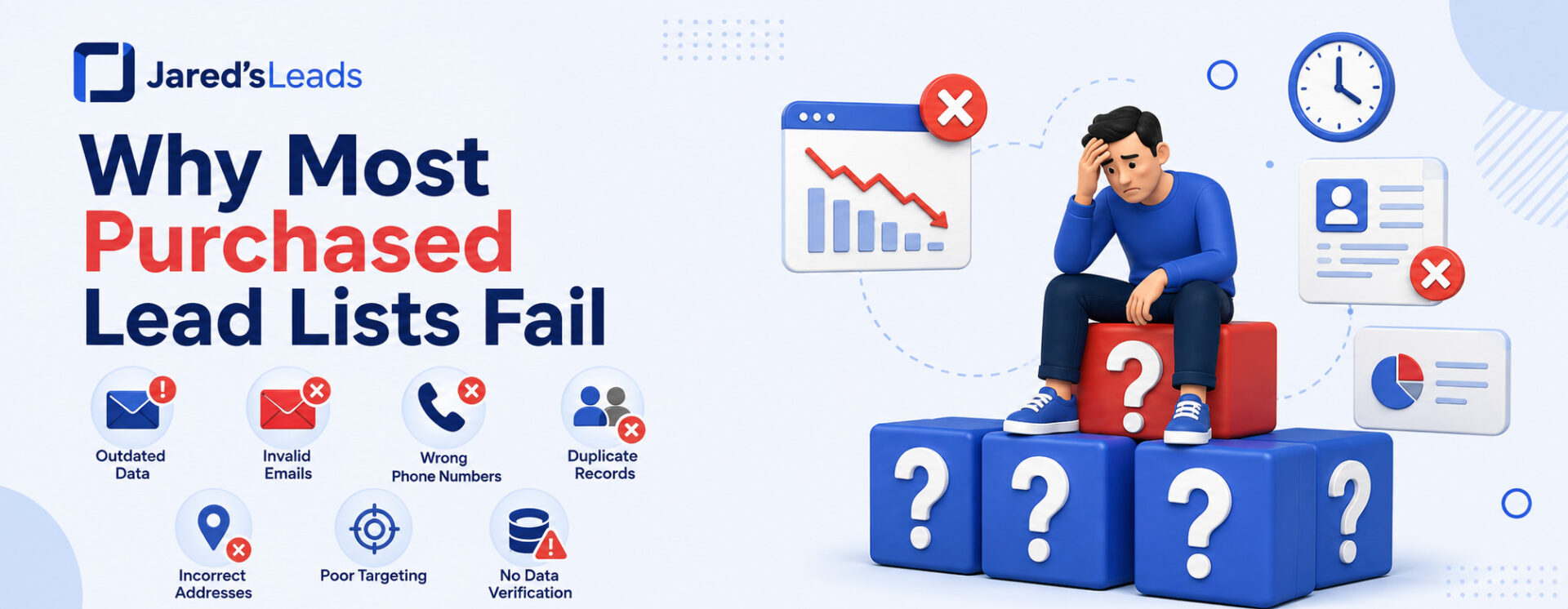
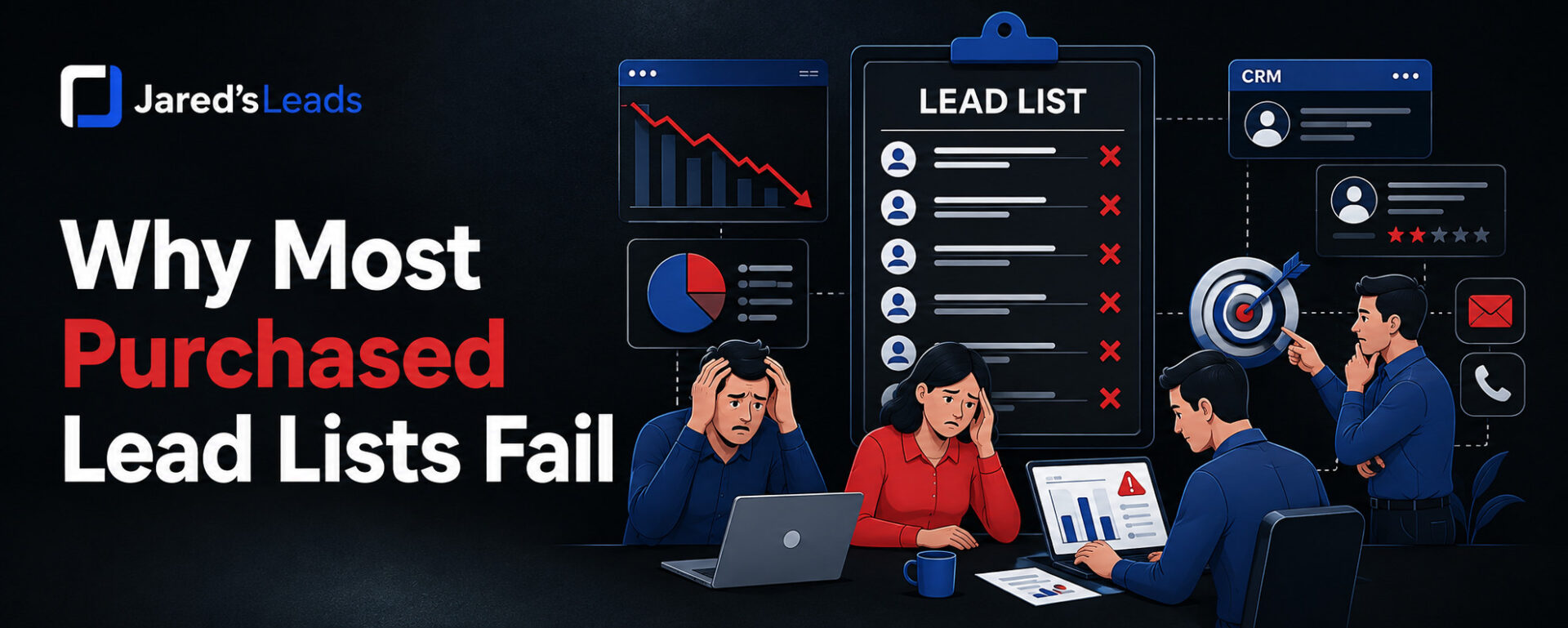
Buying a lead list is only the first step. The real value lies in the quality of the data and how well it matches your target audience. Poor data quality, weak segmentation, and outdated information are among the biggest reasons businesses fail to achieve the results they expect.
Here are the most common reasons purchased lead lists underperform.
1. Outdated or Inaccurate Data
Contact information changes constantly as people move, change jobs, or update their details. If your list isn’t regularly refreshed, you’ll likely experience high email bounce rates, disconnected phone numbers, returned mail, and wasted marketing spend.
Whether you’re using Business Email Lists or Consumer Mailing Lists, regularly updated data helps your campaigns reach real, active prospects.
2. Poor Audience Targeting
Generic lists rarely deliver strong results. The more precisely your audience is defined, the more relevant your marketing becomes.
For example, a roofing contractor is far more likely to succeed with homeowners in specific ZIP codes than with a nationwide homeowner database. Custom Lead Lists allow businesses to target prospects based on industry, location, demographics, company size, and other key attributes.
3. No Data Verification Process
Not all providers follow the same quality standards. Without regular verification, your campaigns can suffer from inaccurate emails, invalid phone numbers, duplicate records, and outdated mailing addresses.
Reliable providers use processes like email validation, phone verification, duplicate removal, and address updates. Businesses can further improve data quality with ongoing Data Services and List Management Services.
For direct mail campaigns, providers that use the USPS National Change of Address (NCOA) database can help reduce undeliverable mail by keeping mailing addresses up to date.
4. Choosing Price Over Quality
A cheap lead list may save money initially, but poor quality data often leads to lower response rates, wasted marketing budgets, and missed sales opportunities.
Investing in verified, well maintained data almost always delivers better long term value.
5. Lack of Meaningful Segmentation
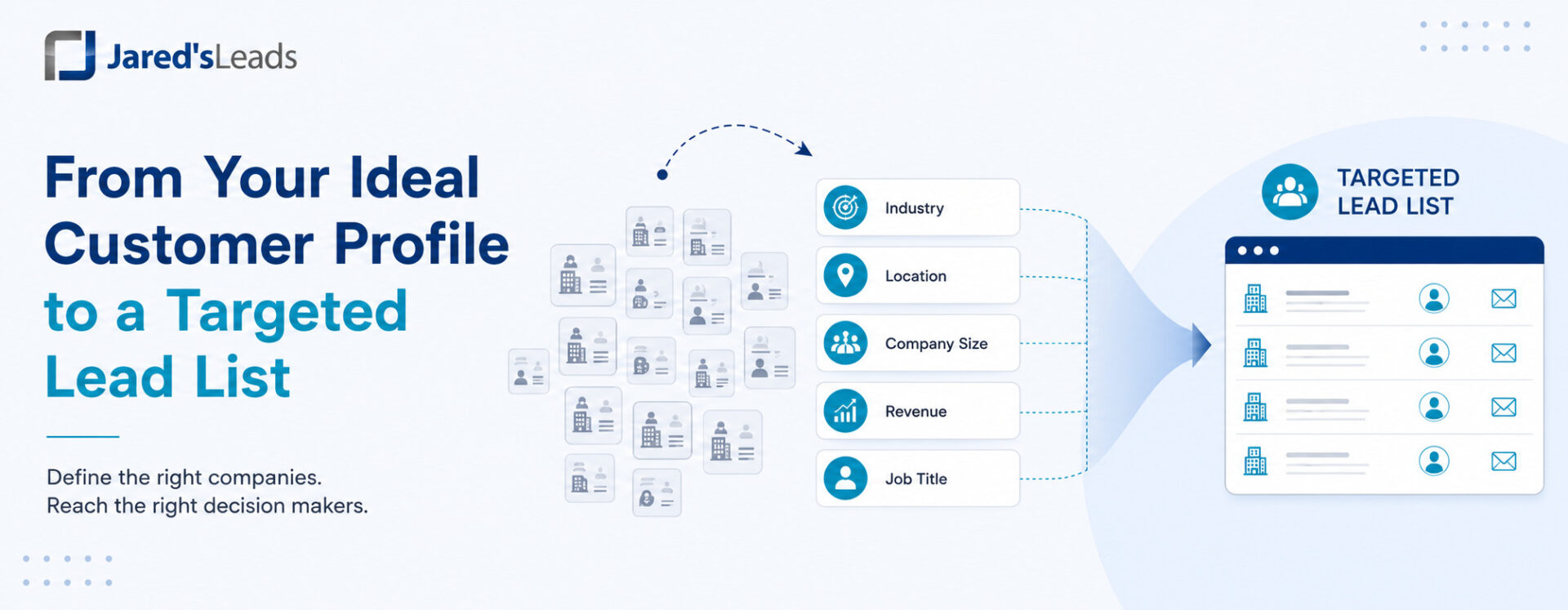
Every customer is different. High quality lead lists allow you to filter prospects by industry, job title, location, income, company size, property characteristics, and more.
For businesses targeting niche markets, Industry Specific Email Lists often outperform broad, generic databases.
6. Unrealistic Expectations
Even the best lead list won’t generate sales on its own. Success depends on combining quality data with personalized messaging, compelling offers, and consistent follow up.
7. Buying from the Wrong Provider
Not all data providers are equally transparent about their sources or verification processes. Before purchasing, understand how the data is collected, updated, and maintained.
Following established data marketing best practices can help businesses improve campaign performance and data quality. The ANA Data & Marketing Resources provide valuable guidance for organisations that rely on customer and prospect data.
The Hidden Costs of Buying Cheap or Low Quality Lead Lists
At first glance, a low cost lead list can seem like a smart investment. After all, if two providers offer similar record counts, why pay more? The reality is that the cheapest list often becomes the most expensive once your campaign begins.
Poor quality data doesn’t just reduce response rates. It can impact your marketing budget, team productivity, and even your brand’s reputation. What looks like a bargain upfront can quickly turn into lost opportunities and higher long term costs.
Lower Campaign Performance
When your list contains outdated, inaccurate, or irrelevant contacts, fewer people receive your message, and even fewer engage with it. This leads to lower open rates, fewer responses, and reduced conversions across your marketing campaigns.
Wasted Marketing Budget
Every email sent, direct mail piece printed, or sales call made to an invalid contact consumes time and money. Instead of reaching qualified prospects, your budget is spent on records that have little or no chance of generating business.
Higher Email Bounce Rates
Sending emails to invalid or inactive addresses can increase your bounce rate, which may negatively affect your sender reputation. Over time, this can reduce email deliverability, making it harder for legitimate prospects to receive your future campaigns.
Lost Sales Opportunities
Every inaccurate record represents a missed opportunity to connect with a potential customer. While your team spends time chasing outdated contacts, your competitors may already be engaging with qualified prospects using better data.
Reduced Team Productivity
Sales representatives perform best when they’re speaking with relevant prospects. Poor quality lead lists force them to spend valuable time filtering bad data, verifying contact information, and following up with people who were never a good fit in the first place.
Damage to Your Brand Reputation
Repeatedly contacting the wrong people or sending irrelevant marketing messages can create a negative impression of your business. Prospects are more likely to trust brands that communicate with the right audience using relevant, personalized messaging.
Better Data Delivers Better Results
While premium lead lists may require a larger initial investment, they often provide greater value through improved accuracy, stronger segmentation, and ongoing data maintenance. Higher quality data helps businesses spend less time correcting errors and more time building meaningful customer relationships.
Quick Comparison
| Cheap Lead Lists | High Quality Lead Lists |
| Outdated or unverified records | Regularly updated and verified data |
| Generic audience targeting | Highly targeted audience segmentation |
| Higher email bounce rates | Better email deliverability |
| Lower response and conversion rates | Improved campaign performance |
| More wasted time and budget | Better return on marketing investment |
| Limited support or transparency | Reliable data sources and expert support |
The true cost of a lead list isn’t its purchase price. It’s the impact that data quality has on every marketing campaign that follows. Investing in accurate, targeted, and regularly maintained data gives your business a stronger foundation for generating qualified leads and maximizing your marketing ROI.
7 Warning Signs You’re Buying a Bad Lead List
Not every lead list delivers the results you expect. While many providers promise massive databases and low prices, poor data quality can quickly lead to wasted marketing spend and disappointing campaign performance. Whether you’re purchasing Business Email Lists, Consumer Mailing Lists, or niche prospect data, watch for these warning signs before making a decision.
1. The Data Source Isn’t Transparent
If a provider can’t clearly explain where their data comes from or how it’s verified, the list may contain outdated or inaccurate records.
Look for: Transparent providers that offer reliable Data Services and explain their data collection and verification process.
2. The Data Isn’t Updated Regularly
People change jobs, move, and update their contact information all the time. Stale data leads to bounced emails, disconnected phone numbers, and poor campaign results.
Look for: Providers that regularly refresh their data and offer List Management Services to keep records current.
3. There Are No Customization Options
A one size fits all list rarely performs well. The ability to target specific industries, locations, demographics, or business attributes is essential.
Look for: Custom Lead Lists tailored to your ideal audience.
4. There Are No Quality Guarantees
Reputable providers stand behind their data with clear accuracy policies, replacement guarantees, and responsive customer support.
5. The Price Seems Too Good to Be True
Extremely cheap lead lists often come with outdated or low quality data. Whether you’re buying Business Email Lists or Consumer Mailing Lists, investing in verified data usually delivers a much better return.
6. No Sample Data Is Available
If you can’t review a sample before purchasing, it’s difficult to evaluate the quality of the records or whether they meet your campaign requirements.
7. Quantity Is Prioritised Over Quality
Millions of records mean very little if they aren’t relevant. Well-targeted industry-specific email lists often outperform larger, generic databases because they help you reach the right prospects.
Choose Quality Over Quantity
A high-quality lead list should provide accurate, relevant, and well-segmented data that supports your marketing goals. Whether you need Custom Lead Lists, verified Business Email Lists, targeted Consumer Mailing Lists, or ongoing Data Services, partnering with a trusted provider can improve campaign performance and maximise your marketing ROI.
What High Quality Lead Data Actually Looks Like
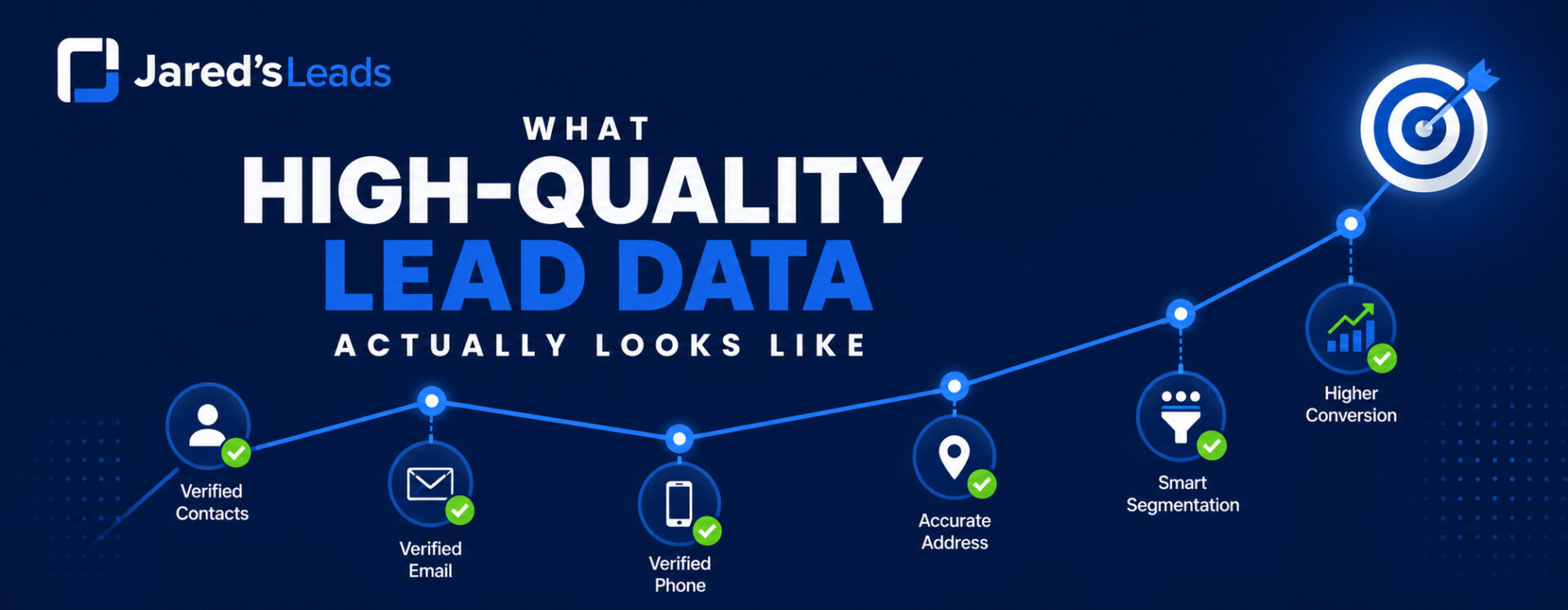
Not all lead lists are created equal. High-quality lead data is accurate, regularly updated, and built around your ideal audience. Whether you’re purchasing Business Email Lists for B2B outreach or Consumer Mailing Lists for direct mail campaigns, the data should be verified, well segmented, and tailored to your marketing goals. If your targeting requirements are more specific, Custom Lead Lists allow you to filter prospects by industry, location, demographics, company size, job title, and other criteria that improve campaign performance.
Reliable providers don’t rely on a single data source. They continuously verify and refresh their databases to improve accuracy and deliverability across email, phone, and direct mail campaigns. They also offer Data Services and List Management Services to help businesses maintain clean, up to date databases by removing duplicate records and updating contact information over time.
For businesses targeting niche markets, Industry Specific Email Lists provide an additional advantage by helping you reach prospects who are more likely to be interested in your products or services. While premium data may cost more upfront, it often delivers a stronger return on investment by reducing wasted outreach and improving the quality of every marketing campaign.
How Jared’s Leads Builds Better Lead Lists
At Jared’s Leads, we believe successful marketing starts with accurate, targeted data. That’s why we focus on delivering verified Business Email Lists, Consumer Mailing Lists, Industry Specific Email Lists, and Custom Lead Lists designed around your unique campaign goals. Rather than relying on generic databases, we help businesses reach the right audience with data that’s relevant, well segmented, and regularly maintained.
Our approach combines data quality with ongoing support. We continuously verify and update our databases to improve accuracy, helping reduce bounced emails, returned mail, and wasted outreach. In addition to providing lead lists, we offer comprehensive Data Services and List Management Services to help businesses clean, enhance, and maintain their customer and prospect databases over time.
Whether you’re launching your first marketing campaign or scaling an existing one, our goal is simple: provide reliable, high-quality data that helps you connect with qualified prospects, improve campaign performance, and maximize your marketing investment.
Best Practices After Buying a Lead List
Purchasing a high quality lead list is only the beginning. How you use your data plays a major role in the success of your marketing campaigns. These best practices will help you maximize your investment and generate better results.
Segment Your Audience
Avoid sending the same message to everyone. Segment your audience by industry, location, demographics, or company size to deliver more relevant campaigns. Whether you’re using Business Email Lists or Consumer Mailing Lists, targeted outreach consistently outperforms generic messaging.
Personalize Your Outreach
Tailor your emails, direct mail, or sales calls to each audience segment. Personalized communication improves engagement, builds trust, and increases the likelihood of generating qualified leads.
Keep Your Data Up to Date
Lead data changes over time, making regular maintenance essential. Investing in Data Services and List Management Services helps keep your database accurate by updating records, removing duplicates, and eliminating inactive contacts.
Test and Measure
Before scaling your campaign, test your messaging with a smaller audience. Monitor key metrics such as open rates, response rates, and conversions to identify what’s working and optimize future campaigns.
Use Multiple Marketing Channels
Don’t rely on a single outreach method. Combining email, direct mail, phone calls, and digital advertising creates multiple touchpoints and improves your chances of reaching qualified prospects. A well targeted Custom Lead List or Industry Specific Email List can support a coordinated, multi channel marketing strategy.
Success Starts with Quality Data
Even the best marketing strategy depends on quality data. Combining verified lead lists with smart targeting and consistent follow up helps businesses build stronger customer relationships and achieve better long term marketing results.
Frequently Asked Questions
Q.1. Are purchased lead lists legal?
Yes. Lead lists are legal when they’re collected and used in compliance with applicable marketing and privacy regulations. Businesses should also follow the FTC CAN-SPAM Act Compliance Guide when conducting email marketing.
Q.2. How often should lead lists be updated?
Because contact information changes frequently, lead data should be refreshed regularly. Providers that offer Data Services and List Management Services help keep your database accurate and campaign ready.
Q.3. Can I buy a lead list for my industry?
Yes. Industry Specific Email Lists allow businesses to target prospects within specific markets, often delivering better results than broad, generic databases.
Q.4. Can lead lists be customized?
Absolutely. Custom Lead Lists can be tailored using filters such as industry, location, company size, job title, demographics, and property data, helping you reach the audience most relevant to your business.
Q.5. What’s the difference between Business Email Lists and Consumer Mailing Lists?
Business Email Lists are designed for B2B outreach and target companies and decision makers. Consumer Mailing Lists focus on individual consumers and are commonly used for direct mail, local marketing, and residential campaigns.
Q.6. How can I improve results after purchasing a lead list?
Start with a targeted audience, personalize your messaging, and keep your database updated. Combining quality data with regular follow up and ongoing List Management Services can significantly improve campaign performance.
Conclusion
Purchasing a lead list isn’t the reason marketing campaigns fail. More often, the problem lies in the quality of the data, poor audience targeting, or using outdated information that no longer reflects your ideal customer.
By choosing verified, well segmented, and regularly maintained lead data, businesses can improve campaign performance, reduce wasted marketing spend, and connect with prospects who are more likely to convert. Whether you’re investing in Business Email Lists, Consumer Mailing Lists, or Industry Specific Email Lists, working with a trusted provider can make a meaningful difference in your results.
The right lead list isn’t just a database. It’s the foundation of smarter marketing, stronger customer relationships, and sustainable business growth.
Ready to Build Smarter Marketing Campaigns?

At Jared’s Leads, we believe great marketing starts with great data. That’s why we provide verified, high quality Business Email Lists, Consumer Mailing Lists, Industry Specific Email Lists, and Custom Lead Lists tailored to your unique marketing goals.
Beyond lead lists, our comprehensive Data Services and List Management Services help businesses maintain clean, accurate databases that improve campaign performance and maximize marketing ROI.
Whether you’re launching your first outreach campaign or looking to improve the results of your existing marketing efforts, our team is here to help you reach the right audience with confidence.
Ready to find your ideal customers? Contact Jared’s Leads today to request a sample list or speak with one of our data specialists about your next campaign.