
New Homeowners Email Lists for Home Buyer Marketing
New Homeowners Email Lists Delivered in Real Time
- 98%+ Deliverability
- No Minimums
- No Contracts
22M+
Business Records

200M+
Consumer Records
18+
Years in Business
Inc.
5000 Honoree
A+
BBB Rating
NCOA
Processed & DNC-Scrubbed
24/7
Support
Target New Homeowners with Verified Email Lists
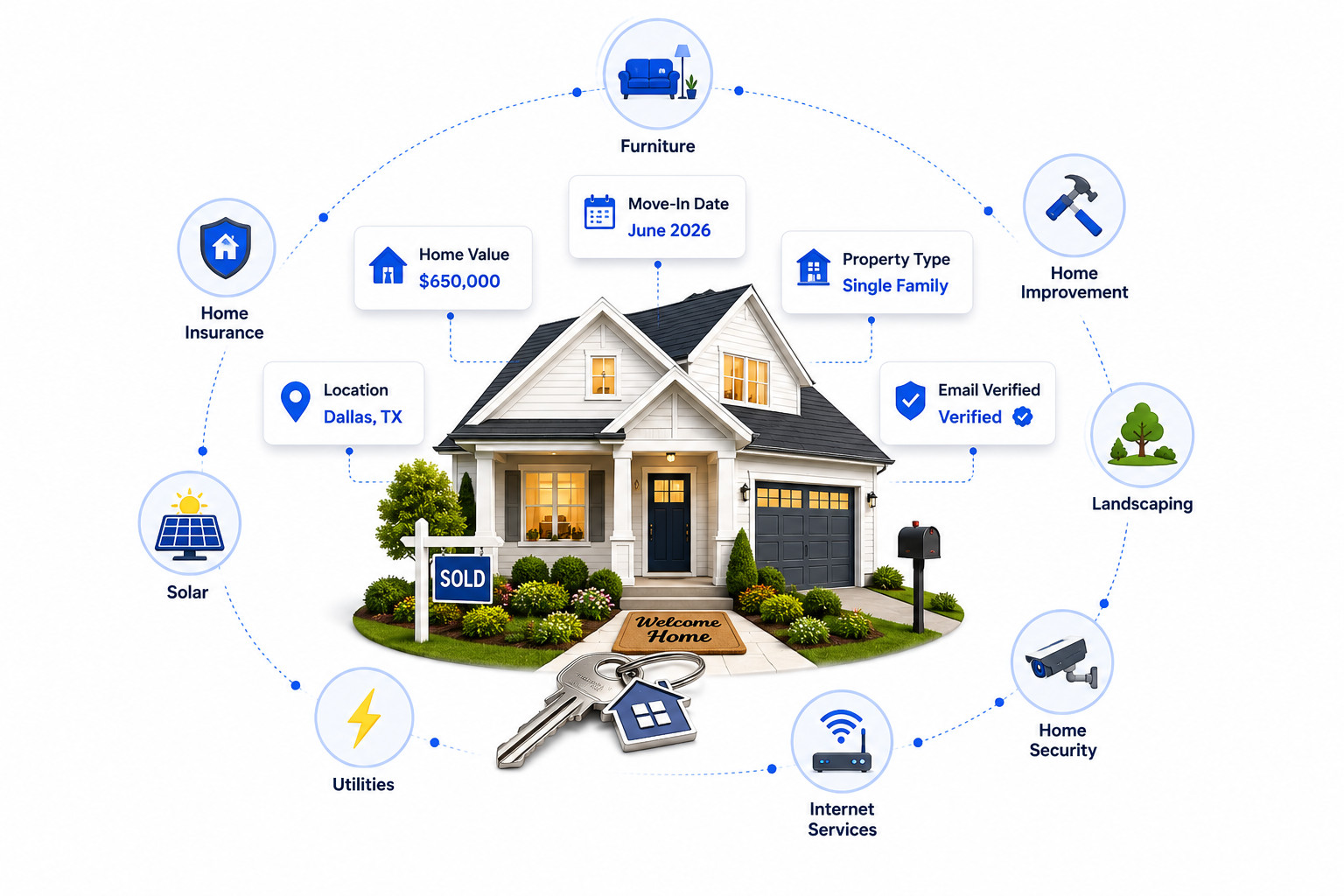
Reach recent home buyers at the moment they begin investing in their property. Jared’s Leads provides targeted new homeowner email lists designed to help marketers connect with verified homeowner audiences by location, home value, and move-in timing. Build precise campaigns using high-intent homeowner data that drives engagement and conversions.
Why Brands Use Jared's Leads for Homeowner Audience Targeting
Marketers like you can buy targeted new homeowner email lists designed to reach recent home buyers during one of the highest-intent purchasing periods of their lives. Jared’s Leads provides segmented B2C homeowner buyer data lists built around verified move-in timing, location, property value, and campaign goals, helping you connect with consumers who are actively spending on home-related products and services.
Unlike generalized homeowner contact lists or B2B business lists, these new homeowners email lists focus on individual consumers who recently purchased a home. That distinction matters because recent homebuyers enter a compressed purchasing cycle immediately after closing, making major decisions about home improvements, insurance, utilities, furnishings, landscaping, security, and long-term property upgrades.
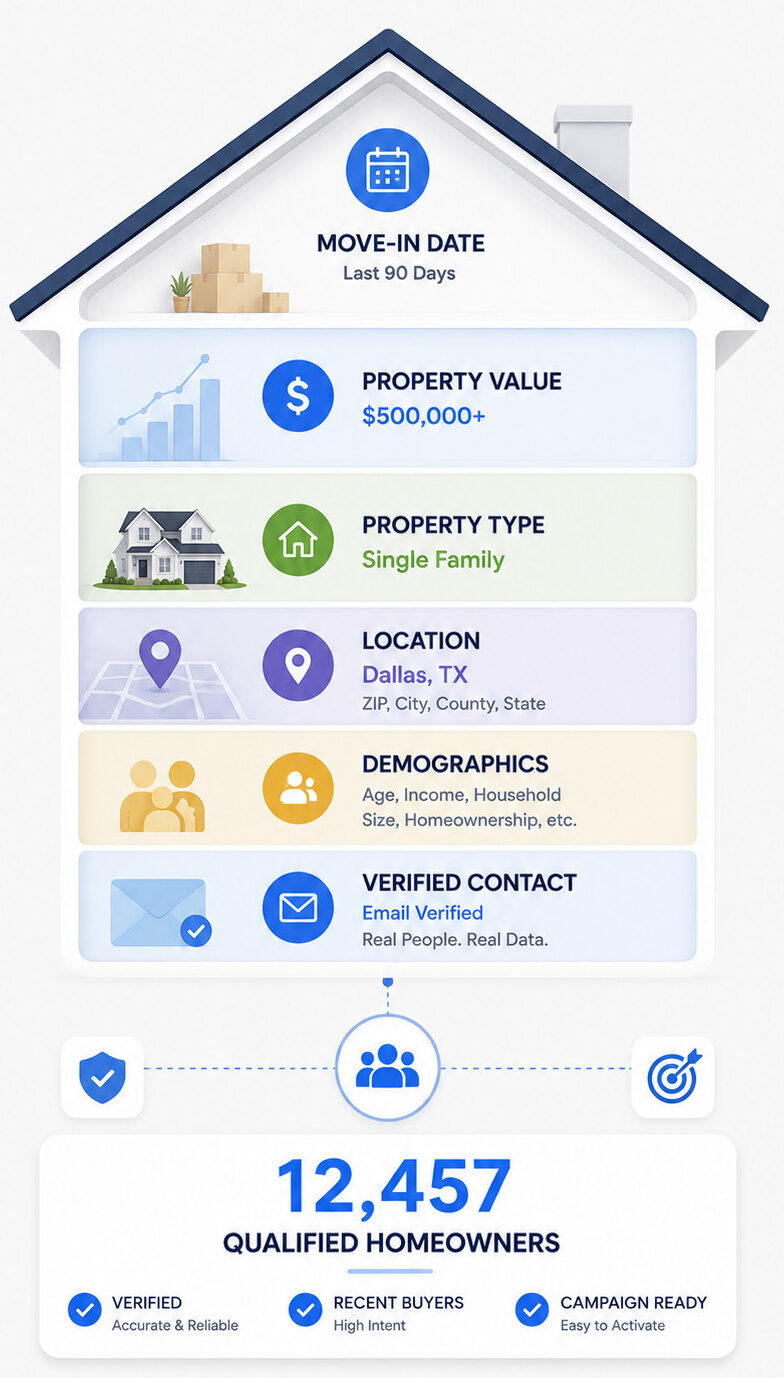
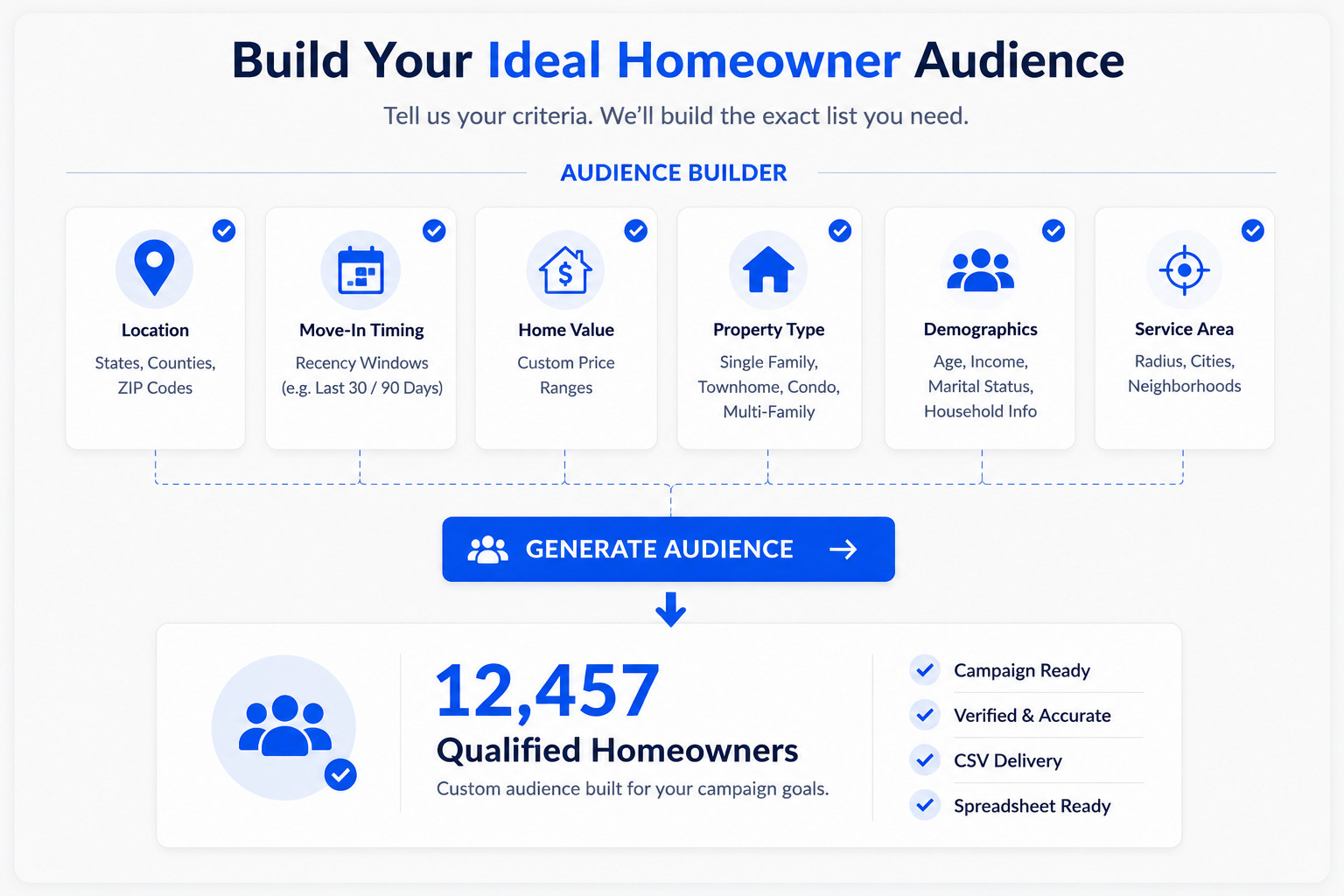
Jared’s Leads builds campaign-ready homeowner email lists with customizable targeting options based on move-in recency filters, ZIP code, city, county, metro, or state targeting, property value and home purchase price, property type and ownership attributes, demographic overlays and household indicators, and geographic sales territories and service areas, so you can:
- Target new home buyers by location, home value, move-in date, and property type.
- Build new homeowners email lists for direct mail, email marketing, lead generation, and audience targeting.
- Access verified homeowner contact data aligned with your ideal recent home buyer profile.
- Request count estimates before purchasing.
- Receive a campaign-ready spreadsheet or CSV delivery.
Buy a Targeted New Homeowners Email List
Businesses targeting recent home buyers often compete for attention during a very short decision-making window, which is why timing and audience quality matter so much when purchasing a new homeowner email list.
After closing on a home, buyers quickly begin purchasing products and services needed to personalize, maintain, secure, and improve their property. If you launch a campaign during this early ownership stage, it will often outperform broader homeowner marketing efforts because the audience is actively searching for solutions.
Jared’s Leads builds custom B2C new homeowner lists specifically designed for consumer marketing campaigns. These lists are not lists of contractors, agents, or business operators, but are built around verified homeowner purchase activity and recent move-in data.
Who Uses New Home Buyers Data Lists?
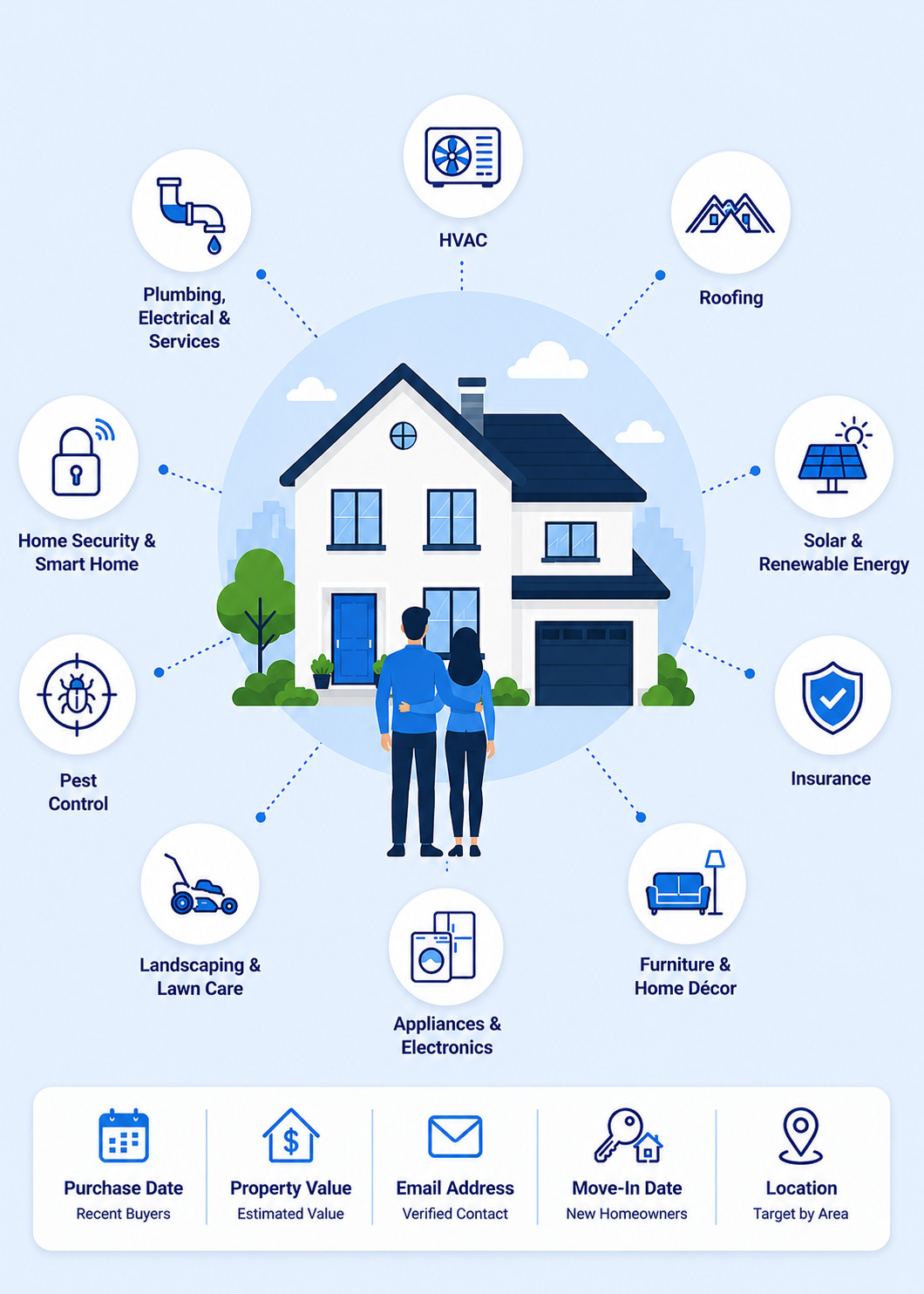
A wide range of industries rely on new homeowner data lists to reach consumers during a high-intent ownership transition. Common industry users include:
- Home improvement and remodeling contractors
- HVAC, plumbing, electrical, and roofing companies
- Home security and smart home technology providers
- Solar and renewable energy companies
- Insurance agents and brokers
- Mortgage refinancing and home equity lenders
- Furniture and flooring retailers
- Appliance brands and electronics companies
- Landscaping and lawn care businesses
- Pest control providers
- Local service businesses
- DTC home product brands
What Is a New Homeowners Email List?
A new homeowner email list is a targeted contact list of individual consumers who recently purchased a home. These lists of new homeowners are compiled using public property records, deed transfer filings, mortgage closing data, county assessor information, and consumer data overlays. The purpose of this data is to help you reach recent home buyers during the highest-spend phase of ownership.
Most new homeowner email lists include core data points such as name, email address, property address, purchase date, estimated value, property type, geographic location, and any available demographic overlays. Because these audiences are based on recent property transactions, you can build highly relevant campaigns around the timing of ownership and household needs.
For many of these industries, the first company to establish a relationship with a homeowner often becomes the preferred long-term provider.
Why Early Timing Drives New Homeowner Conversions
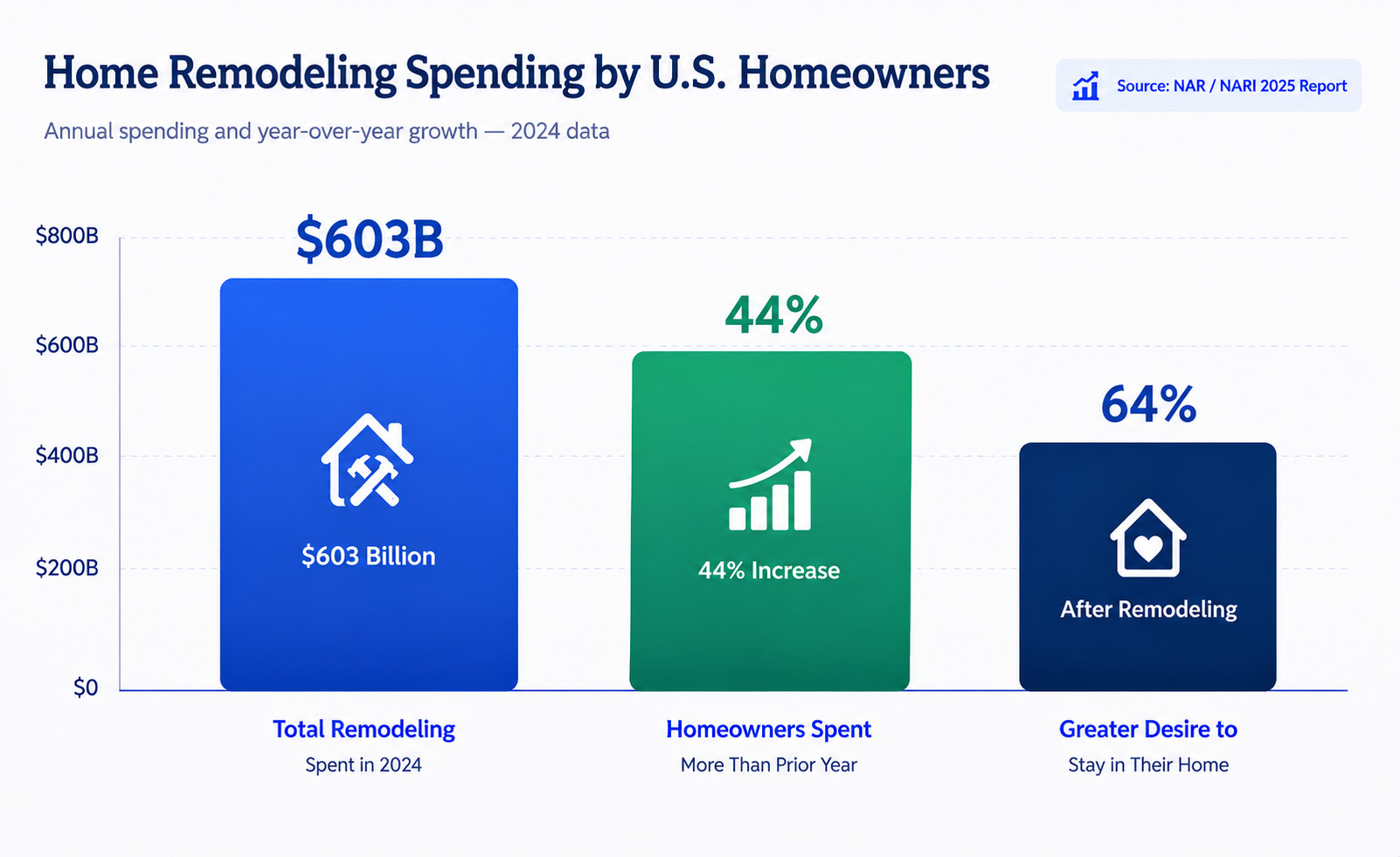
New homeowners make a large share of their purchase decisions in the first few weeks after closing, creating a rare consumer environment in which multiple buying categories overlap. Americans spent an estimated $603 billion on home remodeling projects in 2024, and 44% of homeowners reported spending more on projects that year than the year before.[1]
Recent home buyers frequently need immediate home repairs, internet and utility setup, furniture and appliance purchases, security systems and smart home upgrades, landscaping and lawn services, insurance updates and policy reviews, and renovation and remodeling services. The first 30 to 90 days after move-in consistently represent the highest-intent purchasing window in the homeowner lifecycle.
Front-Loaded Buying Behavior After Move-In
New homeowners tend to make most of their early purchase decisions before their household routines stabilize, so they’re actively evaluating products, comparing providers, scheduling service work, and investing in upgrades immediately after moving. This creates a strong opportunity to buy homeowner data, as the audience is already in-market for home-related products and services.
Recency-Based Targeting Improves Engagement
A list of new homeowners by move-in date allows you to focus your campaigns on active purchase windows rather than relying on static homeowner data. For example:
- A roofing company may prioritize homeowners within the last 30 to 60 days.
- A furniture retailer may target buyers in the first 90 days.
- An insurance agency may focus on the first 30 days for homeowners' insurance and later lifecycle windows for bundling campaigns.
Segmenting by recency improves your relevance, message timing, and conversion efficiency.
Higher Conversion Efficiency During Early Ownership
Recent home buyers are more responsive because they’re actively researching solutions, and many are also evaluating providers for the first time in a new market or neighborhood. Campaigns that align with move-in timing, local geography, property value, and household demographics can significantly improve audience quality and campaign efficiency.
What New Homeowners Buy in the First 90 Days
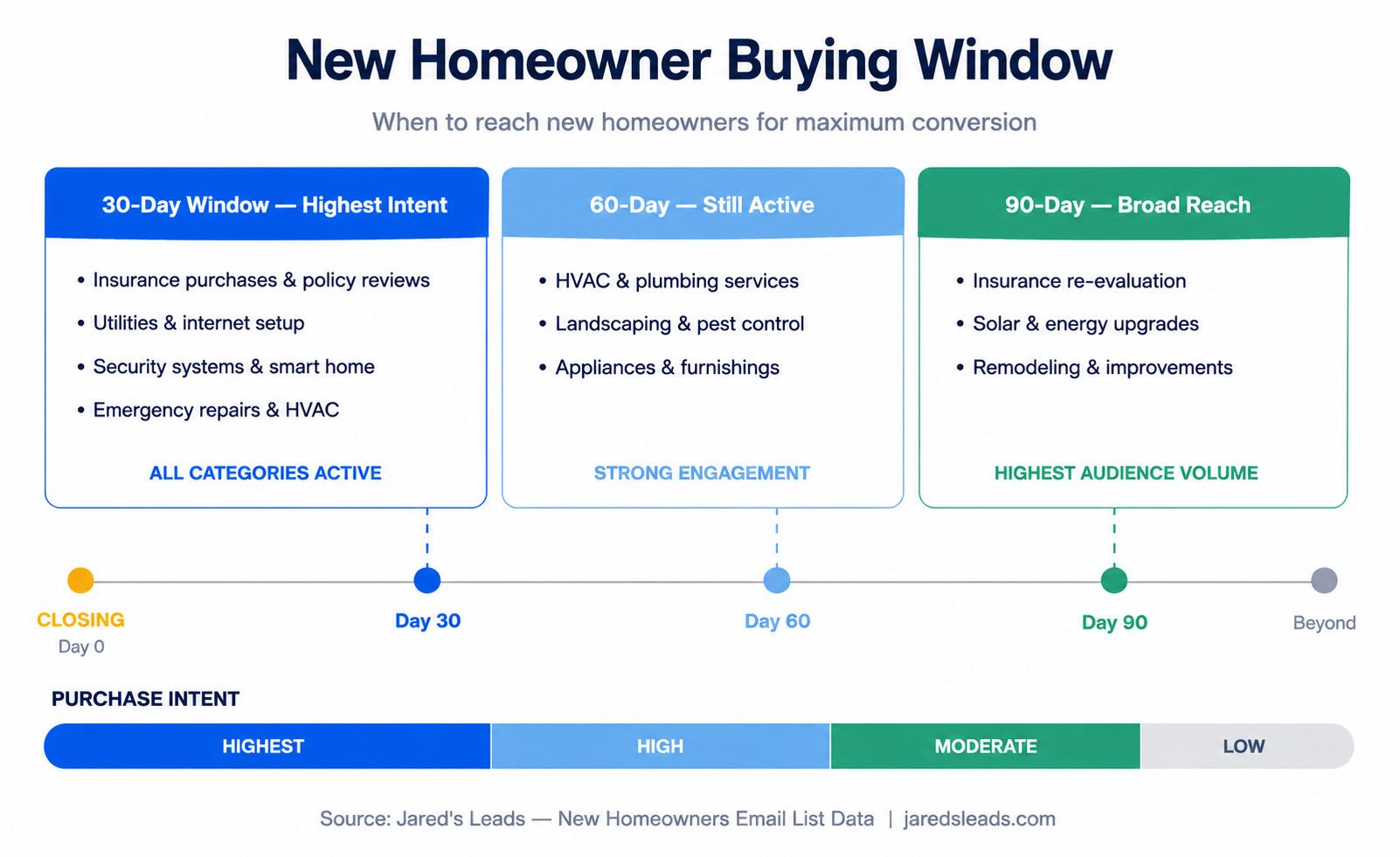
- Home Improvement and Renovation: Painting, flooring, kitchen updates, bathroom improvements, fencing, and general repairs are among the most common early homeowner expenditures.
- Insurance Purchases and Policy Reviews: New homeowners frequently review homeowners' insurance, auto bundling opportunities, life insurance policies, and home warranties immediately after purchasing a property.
- Utilities and Telecom Setup: Internet service, cable, electricity, gas, smart thermostats, and home security monitoring often require immediate setup.
- Furniture and Appliance Purchases: A new home often requires additional furniture, replacement appliances, home decor, and storage solutions.
- Landscaping and Outdoor Services: Lawn care, pest control, fencing, irrigation systems, tree services, and outdoor maintenance are common first-year purchases.
- Smart Home and Security Technology: Security cameras, alarms, video doorbells, smart locks, and connected thermostats are frequently purchased soon after move-in.
- Solar and Energy Upgrades: Many homeowners evaluate solar energy systems, insulation improvements, and energy-efficient upgrades shortly after taking ownership.
- Moving and Storage Services: Storage units, packing supplies, movers, and organizational products remain relevant throughout the first several months.
What New Homeowners Buy in the First 90 Days
Not every recent homeowner behaves the same way, which is why recency-based segmentation matters.
30-Day New Homeowners: Highest-intent window, most active purchase phase across all categories
30-Day new homeowners represent the highest-intent window across nearly every home-related category. They’re actively purchasing essential services, furnishings, utilities, and home improvement products immediately after moving.Not every recent homeowner behaves the same way, which is why recency-based segmentation matters.
60-Day New Homeowners: Still highly active, especially with HVAC, security, and landscaping
90-Day New Homeowners: Broadest segment, strong for insurance, home improvement, appliances
The 90-day segment offers broader audience reach while maintaining strong purchase intent, and this audience often responds well to insurance campaigns, remodeling services, appliance upgrades, solar offers, and long-term home improvement projects.
Custom Windows: Ask for a count estimate by specific move-in date range
Targeting Options for Recent Home Buyers Lists
New homeowners aren’t a uniform audience, and effective campaigns rely on layered targeting filters that align with geography, property attributes, demographics, and purchase timing. Jared’s Leads offers multiple targeting options to help you build highly customized new homeowner data lists.
Geographic Targeting by ZIP Code and Region
One of the most common targeting strategies involves geographic filtering. You can build new homeowner lists by:
- ZIP code
- City
- County
- Metro area
- State
- Custom sales territory
- Service radius
Property-Based Segmentation
Why Property Value Matters
Property attributes help you identify homeowners with specific spending power, ownership characteristics, or service needs by examining their home purchase price, estimated property value, property type, square footage, ownership indicators, mortgage type, first-time buyer indicators, and whether they bought new construction or an existing home.
Recency and Demographic Filtering
Combining recency windows with demographic overlays improves your campaign precision by allowing you to add age range, estimated household income, marital status, presence of children, household size, education level, and estimated net worth to your data. Layering demographic, property, and recency filters creates highly focused homeowner audiences.
Property and Purchase Selects
Available property and purchase filters commonly include:
- Purchase date or move-in date
- Last 30, 60, or 90 days
- Custom recency ranges
- Home purchase price
- Estimated property value
- Single-family homes
- Condos and townhouses
- Multi-family properties
- Mortgage type
- First-time versus repeat buyers
Higher-value homeowners often allocate more of their discretionary spending to solar installations, security systems, insurance products, remodeling projects, smart home technology, and landscaping upgrades. That makes property value segmentation especially useful for premium service providers.
Example Audience Builds
Local new homeowner email list options are especially valuable if you have a service business operating within specific regions. Examples of targeted audience builds include:
- New homeowners in the Phoenix metro within the last 60 days
- First-time buyers in California with homes over $500,000
- Single-family homeowners within a custom ZIP code radius
- Recent buyers in the Southeast during Q1 campaigns
Demographic Selects
Combining Selects for Campaign Efficiency
Demographic overlays can help your business align its messaging with likely household needs by considering household income, age range, the presence of children, estimated net worth, education level, and marital status. Additionally, the highest-performing homeowner campaigns often combine recency filters, geographic targeting, property value segmentation, and demographic overlays.
New Homeowners Email List Use Cases by Industry
New homeowners enter the market for products and services across nearly every home-related category simultaneously, creating strong opportunities for businesses that can reach them early in the ownership cycle. With the right new home buyers list, your business can be the first to reach homeowners before competitors do.
Solar and Energy Marketing
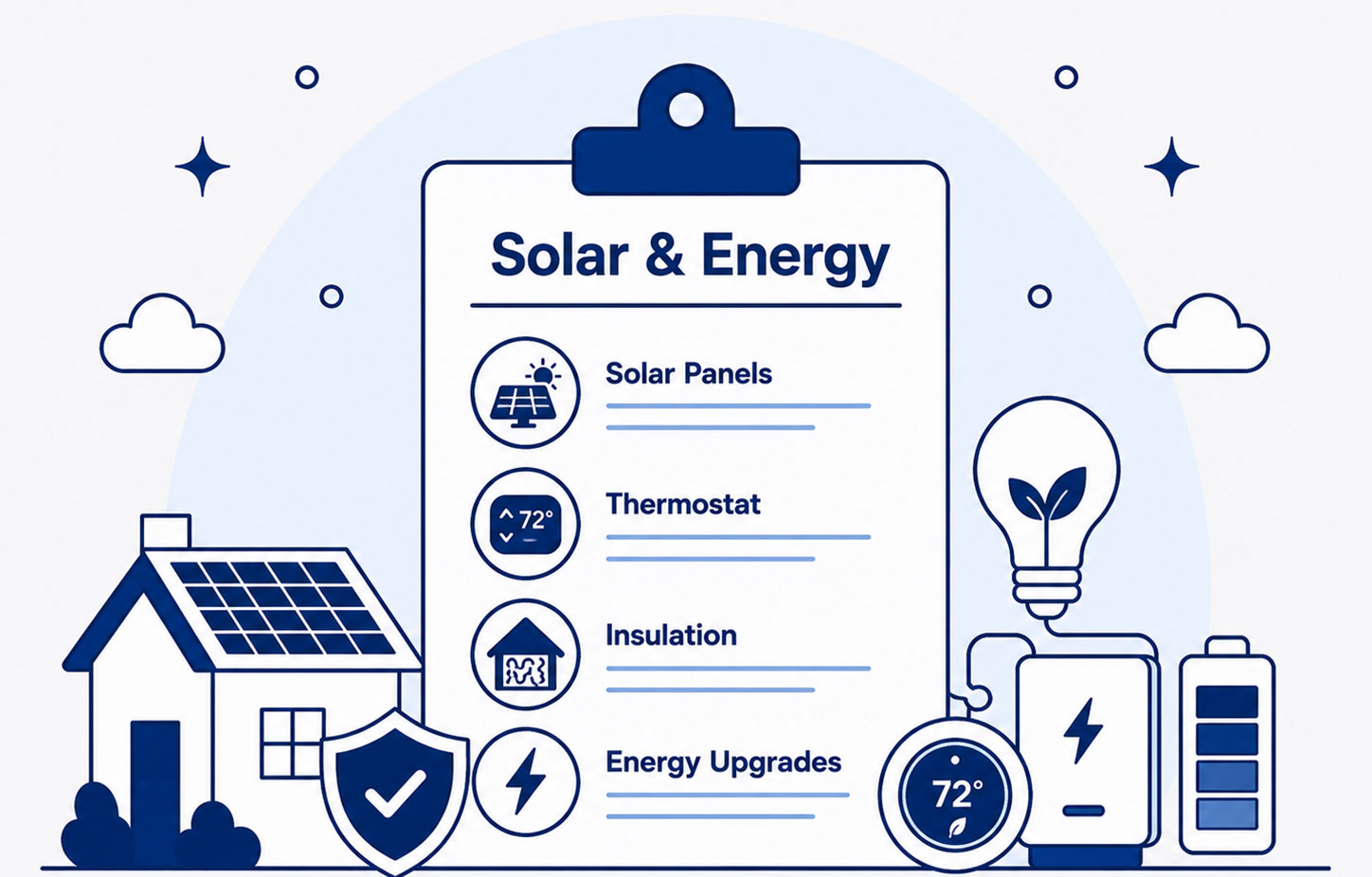
New homeownership frequently triggers interest in solar energy and efficiency upgrades, and homeowners evaluating long-term property improvements often consider solar panel installation, battery storage systems, smart thermostats, insulation upgrades, and energy-efficient HVAC systems.
Higher-value single-family homeowners generally achieve higher conversion rates in solar campaigns. Strong solar markets include states like California, Arizona, Texas, Florida, and Nevada.
Furniture, Appliances, and Home Goods
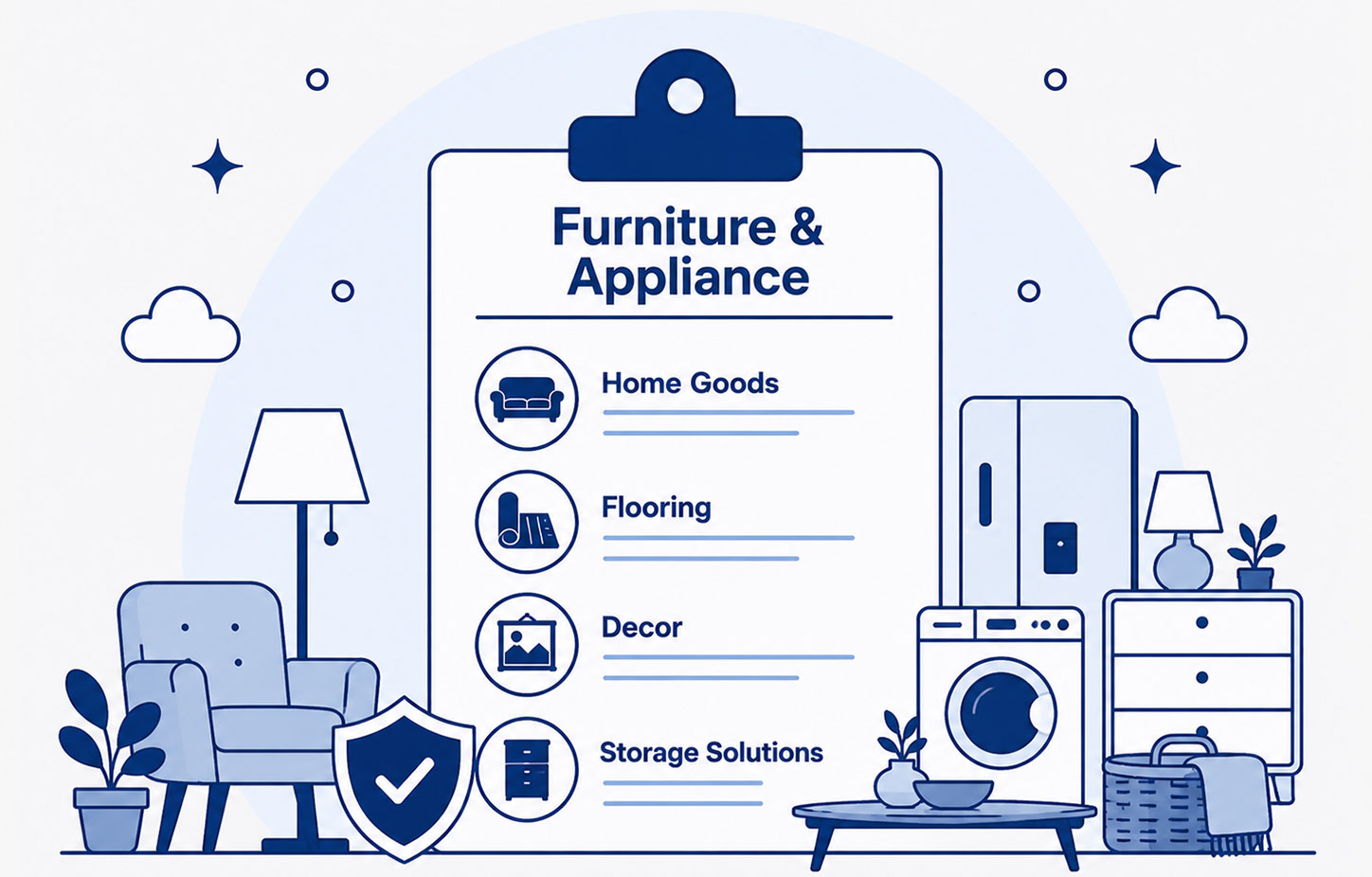
Recent home buyers are among the highest-spending audiences for furniture and home-related retail categories, as they frequently buy new living room furniture, bedroom sets, kitchen appliances, washers and dryers, storage systems, home decor, and patio furniture. The 30 to 60-day period after move-in often represents the strongest retail purchasing window.
Mortgage Refinancing and Home Equity Campaigns
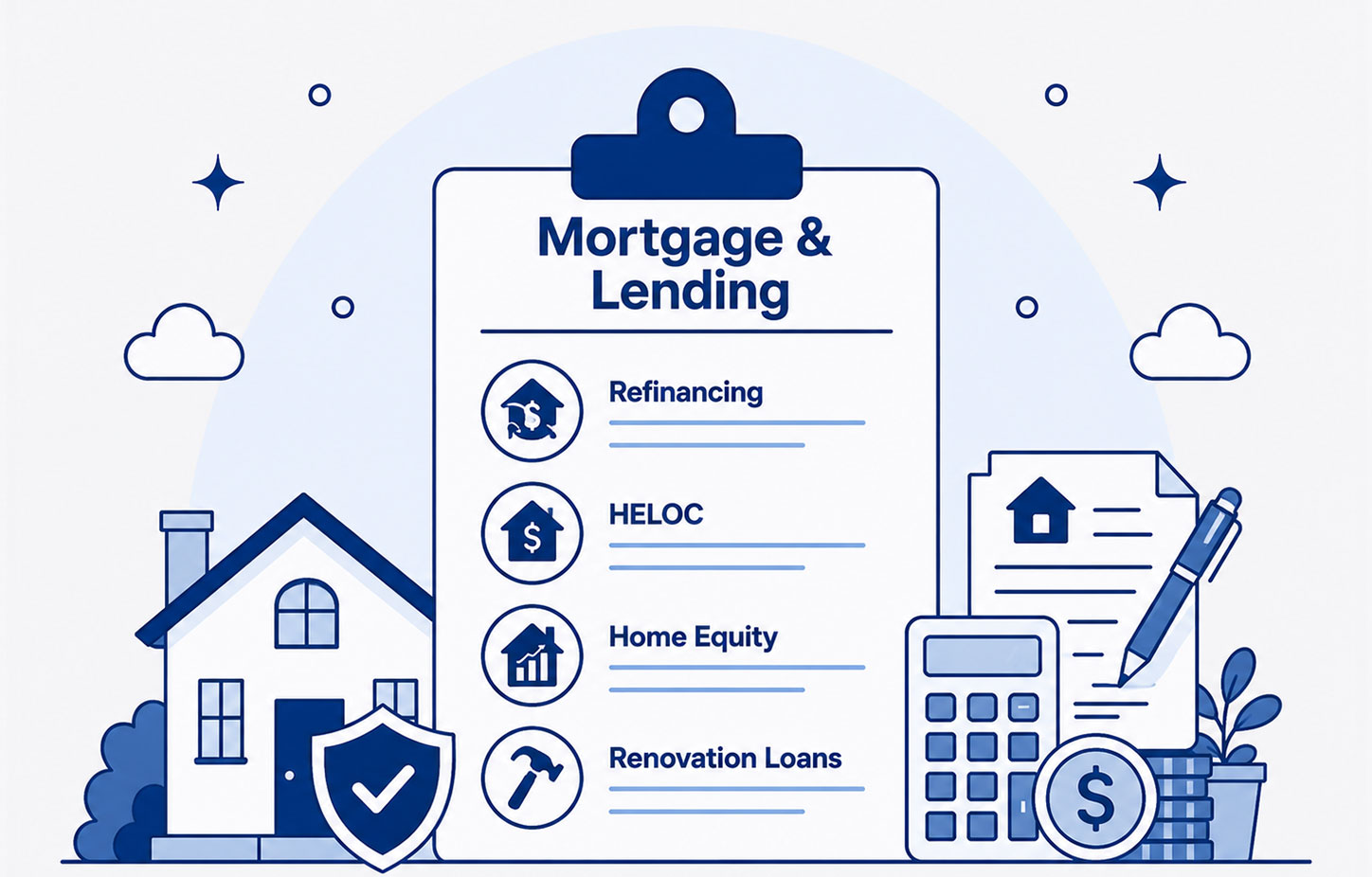
Mortgage companies and lenders may target homeowners with longer ownership periods with relevant offers, including mortgage refinancing, HELOC marketing, cash-out refinance offers, and home improvement financing. Homeowners planning renovations or equity-based projects frequently become strong candidates for home equity products. As with insurance campaigns, mortgage marketing may carry additional regulatory requirements.
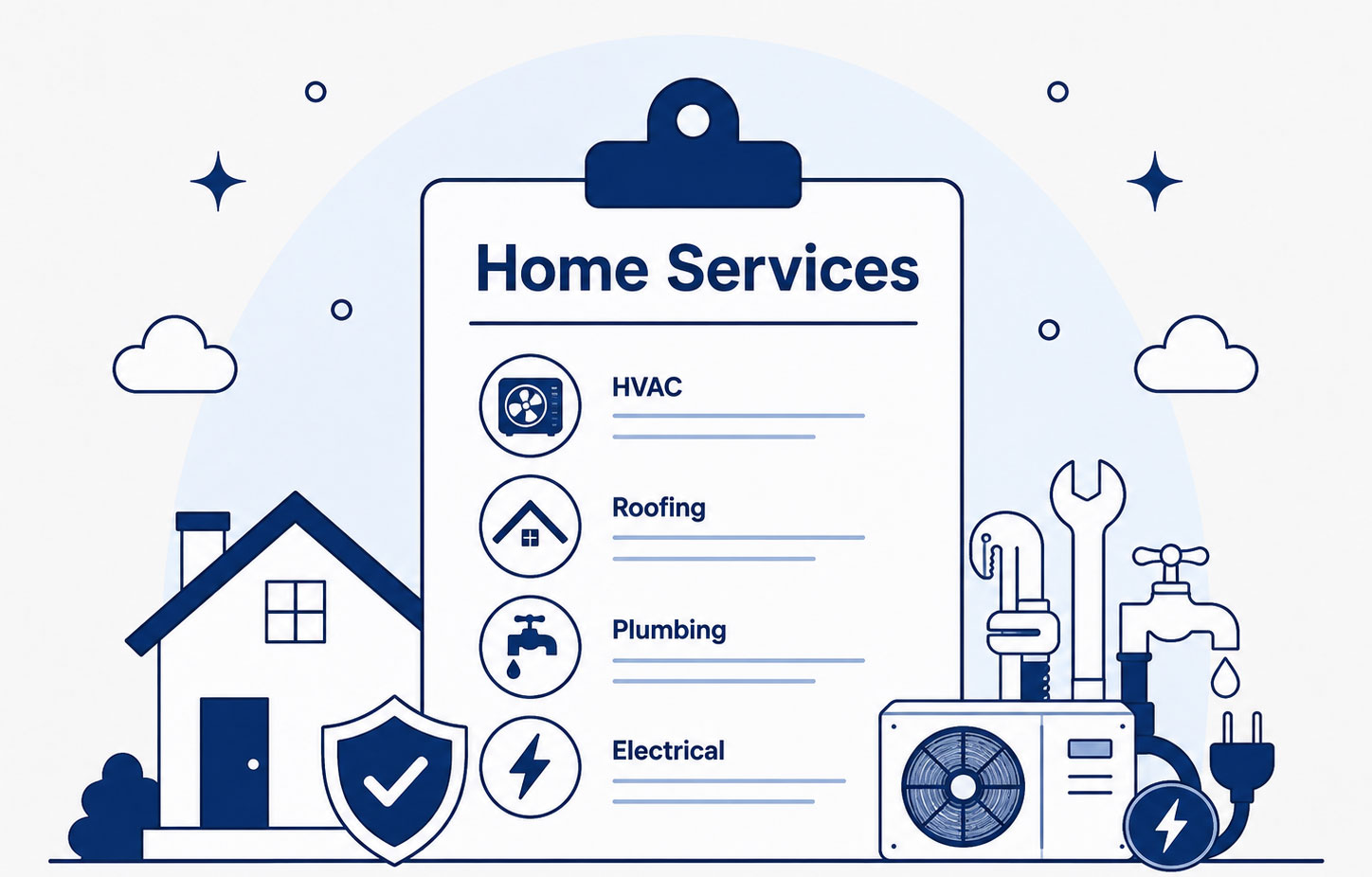
Home Services: HVAC, Roofing, Plumbing, and Electrical
Home services companies consistently benefit from new homeowner leads because many buyers inherit aging systems or delayed maintenance issues. Common early expenditures include HVAC repairs or replacements, roofing inspections and repairs, plumbing repairs and upgrades, electrical work and panel updates, water heater replacements, and indoor air quality improvements.
Local contractors often target homeowners within 30 to 60 days after move-in because this period yields some of the highest conversion rates, and the first provider relationship established during this stage often becomes the long-term household vendor.
Insurance Campaigns
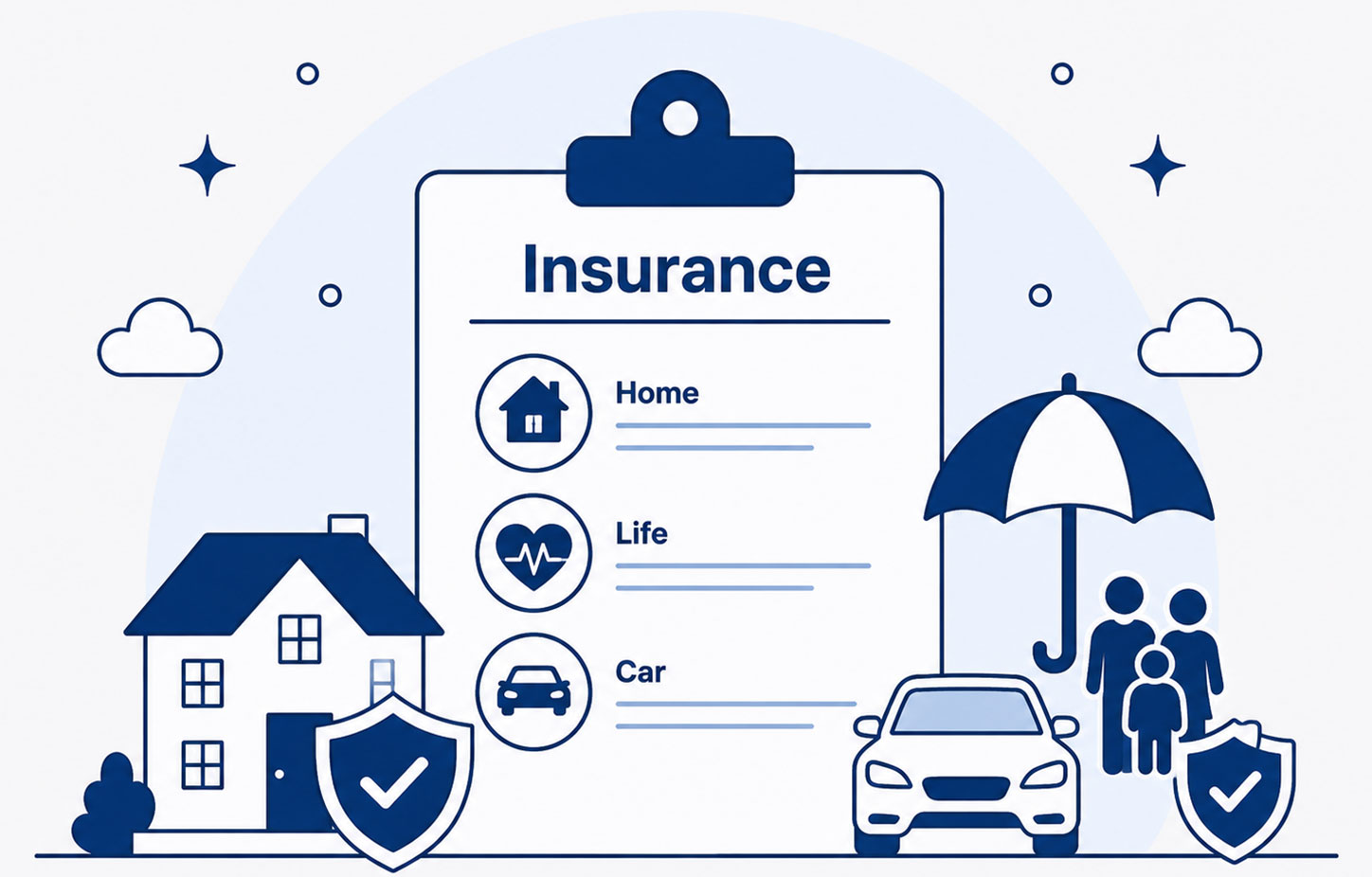
A home purchase is one of the strongest trigger events for insurance marketing. New homeowners often review their homeowners insurance, auto insurance bundling, life insurance policies, umbrella coverage, and home warranties. Recency timing matters heavily in insurance outreach, and homeowners’ insurance campaigns often perform best within the first 30 days. Auto bundling and life insurance campaigns may extend into the 90-day window. Average monthly homeowners insurance premiums reached a record $201 in 2025, or $2,421 annually, up 6.6% over 2024, making the first 30 days after closing the most critical window for insurance outreach.[2]
Because insurance and financial products carry regulatory considerations, if you’re a marketer in this space, you should consult legal counsel regarding compliance requirements.
Home Security and Smart Home Technology
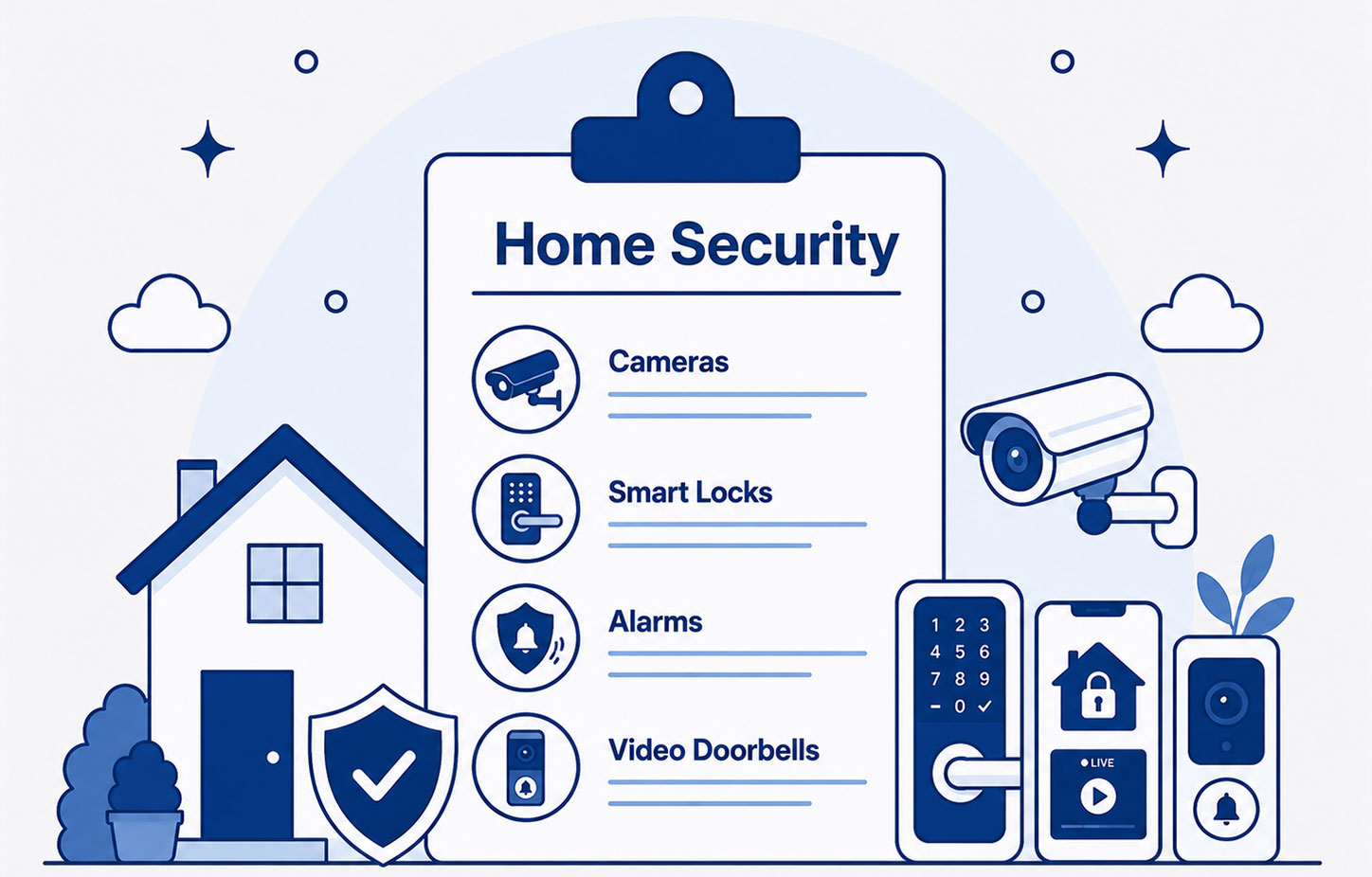
Security concerns and personalization needs drive strong early demand for smart home products such as security cameras, alarm systems, smart locks, video doorbells, smart thermostats, and home automation products. Security installation demand is especially strong within the first 30 days after move-in.
Data Quality and Verification
The effectiveness of a new homeowners email list depends heavily on how the data is sourced, verified, refreshed, and processed before delivery. High-quality homeowner data improves deliverability, audience relevance, campaign engagement, response rates, and ROI efficiency.How Lists Are Compiled
New homeowner contact lists are typically assembled from multiple data sources, including public property records, county assessor data, deed transfer filings, mortgage closing records, title transaction records, and consumer data overlays. Purchase date and property value information are also commonly derived from property transaction records.
Consumer overlays may add email addresses, demographic indicators, household information, and additional contact attributes, as using multiple sources helps reduce gaps and improve record quality.
Verification and Deliverability
- Email syntax validation
- Domain verification
- MX record verification
- Duplicate removal
- Suppression screening
- Bounce-risk analysis
- NCOA processing for postal accuracy
If you’re a marketer looking for valid records, this verification can improve your overall campaign performance.
Data Fields Available
- First and last name
- Email address
- Property address
- Mailing address if different
- Phone number, where available
- Purchase date
- Estimated home value
- Purchase price
- Property type
- ZIP code and geographic identifiers
- County and metro data
- Demographic overlays
Some campaigns may prioritize specific fields depending on the outreach channel.
How AI Is Changing Homeowner Email Outreach
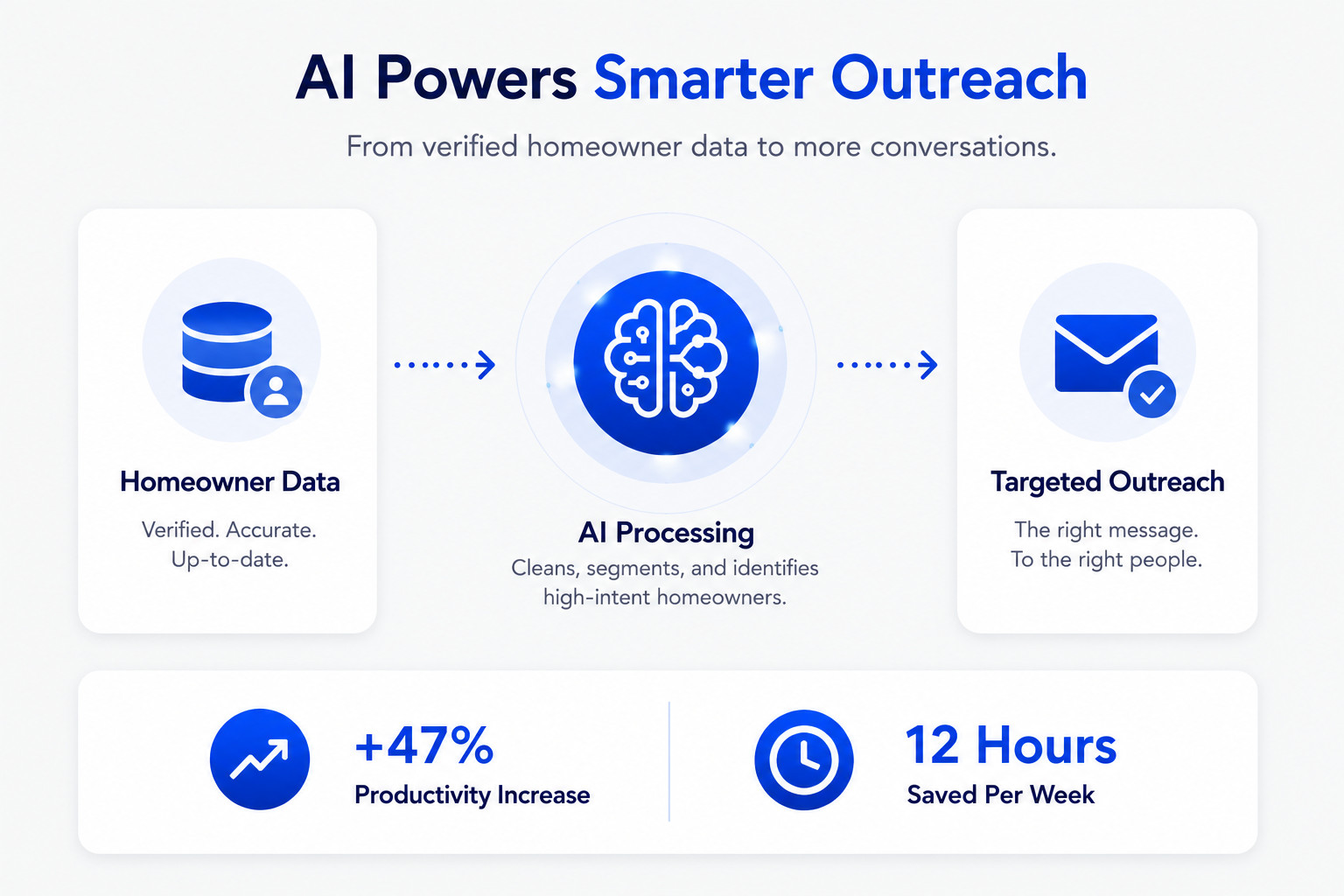
A ZoomInfo survey of more than 1,000 go-to-market professionals revealed that AI users report a 47% boost in productivity and save an average of 12 hours per week on manual tasks such as list management, segmentation, and campaign setup, time that can be reinvested directly into outreach to new homeowners.[4]
Compliance Considerations
Jared’s Leads provides consumer contact data, but you’re responsible for ensuring that your campaign complies with applicable laws and regulations. If you’re using homeowner email lists, it’s crucial to understand the legal and operational responsibilities associated with outbound marketing.
1
CAN-SPAM Requirements
Email campaigns should comply with CAN-SPAM requirements, including accurate sender identification, functional unsubscribe mechanisms, disclosure of a physical mailing address, prompt opt-out processing, and honest subject lines.[3]
2
State Privacy Laws
Multiple U.S. states now enforce consumer privacy regulations. For example, California homeowners may have rights under the CCPA and CPRA. Other states maintain separate privacy frameworks that may affect data usage and campaign requirements, and you should always consult legal counsel to determine your compliance obligations.
3
Financial Product Marketing
4
Responsible Marketing Practices
How to Choose a New Homeowners Email List Provider
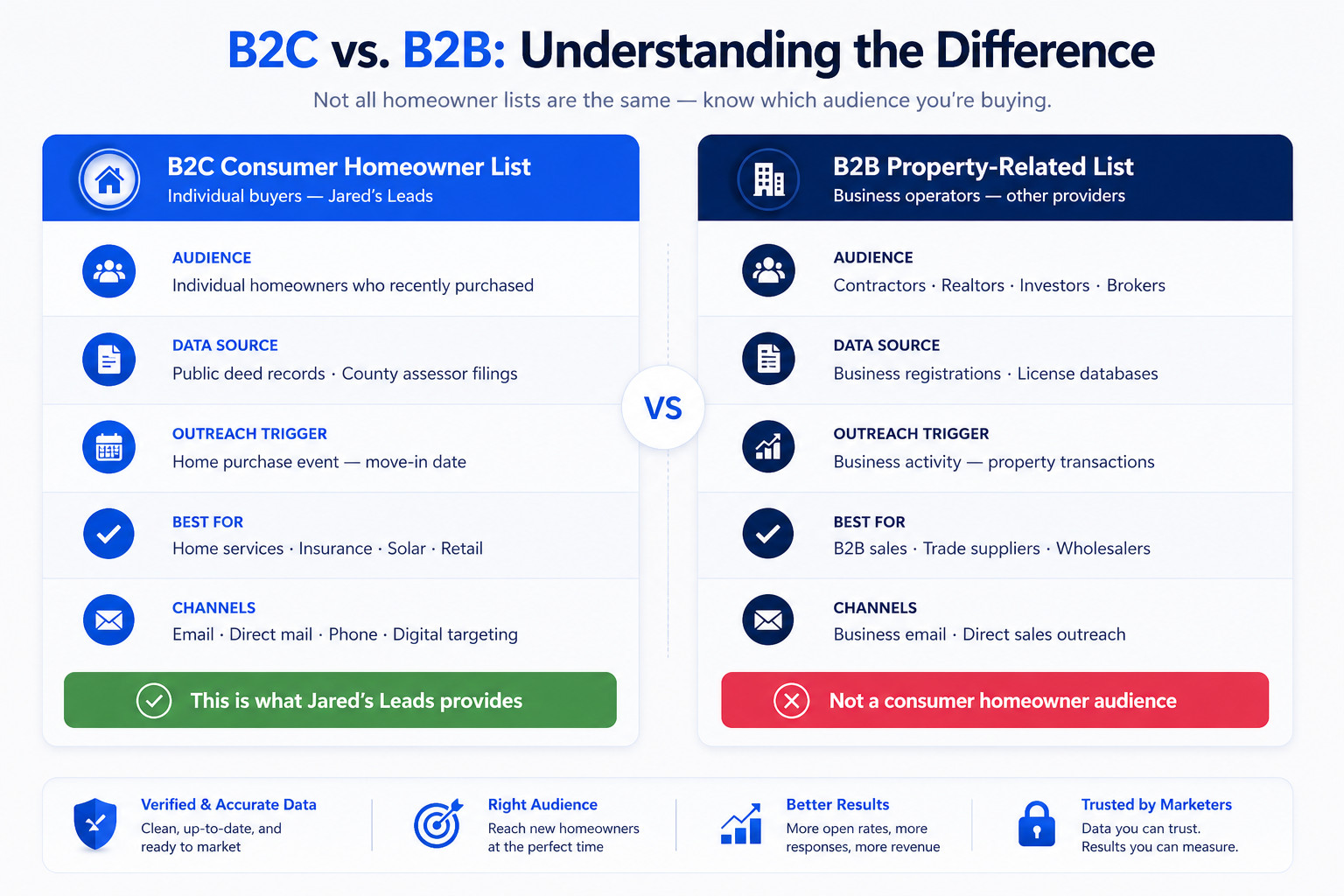
Not all data providers offer the same type of homeowner audience, and many companies ranking for new homeowners list terms actually sell B2B lists of contractors, brokers, property managers, or other business operators rather than verified consumer homeowner audiences. If you’re targeting actual homeowners, you’ll want to confirm you’re purchasing a B2C consumer list when buying homeowner data.
B2C vs. B2B: Understanding the Difference
A true B2C homeowner audience contains individual consumers who recently purchased homes. A B2B property-related list may instead contain contractors, Realtors, property managers, investors, brokers, and service companies. If you’re targeting consumers, that distinction is critical. Jared’s Leads focuses specifically on B2C homeowner audiences rather than on repurposed business-operator data.
Provider Evaluation Checklist
When evaluating a new homeowner email list provider, you should consider whether the audience is verified B2C homeowner data, whether the public records sourcing methodology is available, and whether recency filters are available. Additionally, consider areas such as geographic targeting depth, property attribute segmentation, demographic overlay options, and verification and hygiene standards.
Questions to Ask Before Ordering
Before purchasing a list, there are some specific questions you can ask to get vital information:
- Is this a list of homeowners or businesses?
- What are the underlying data sources?
- What recency windows are available?
- Can targeting be filtered by ZIP code and property value?
- Are demographic overlays available?
- Can a count estimate be provided before purchase?
- What verification processes are applied?
- What delivery format is included?
- What compliance documentation is available?
Why Jared's Leads
If you’re wondering why Jared’s Leads, it’s because we offer:
- 20+ years of experience delivering targeted consumer email lists.
- A B2C homeowner audience focus.
- Real support from knowledgeable human team members.
- Count estimates before purchase.
- Campaign-ready data delivery.
- Recognition, including Inc. 5000 and an A+ BBB rating.
Lists are pulled at the time of your order and not resold to competing businesses targeting the same audience during your campaign window.
Ready to Reach New Homeowners? Let's Build Your List
Every campaign targeting recent home buyers has different goals, service areas, and audience requirements. That’s why custom-scoped homeowner audiences often outperform generic pre-packaged lists. Jared’s Leads builds targeted new homeowner email lists based on move-in timing, geographic targeting, property value, home type, demographic filters, and campaign objectives. Lists are delivered in spreadsheet or CSV format, so they’re compatible with major email platforms, CRMs, and direct marketing systems.
You can request national homeowner audiences, regional campaigns, local ZIP code targeting, property-based segmentation, custom recency windows, and multi-channel campaign lists.
Tell Us Who You Want to Reach – We’ll Build the List.
Ready to Build Your List?
Start reaching your ideal customers today. No minimums, no contracts.
[FAQs]
Frequently Asked Questions
Have a question about Jared’s Leads and our lists? Let us help!
Recency filters are typically available for homeowners who purchased within the last 30, 60, or 90 days. Some campaigns may also request custom move-in date ranges. The 30-day window typically produces the highest-converting audience for time-sensitive campaigns — specify your desired recency window when requesting a count estimate.
Ready to Build a Targeted New Homeowners Email List?
The most effective homeowner campaigns reach buyers during the critical early-ownership period, when purchase intent is at its highest. Jared's Leads builds targeted new homeowner email lists based on verified homeowner data, move-in timing, geographic targeting, property attributes, demographic overlays, and campaign-specific audience goals.
Whether your business needs local ZIP code targeting or national homeowner audiences, custom-scoped homeowner data can help improve your relevance, engagement, and campaign performance.